
Tag: Blender
Showing all articles tagged with "Blender"
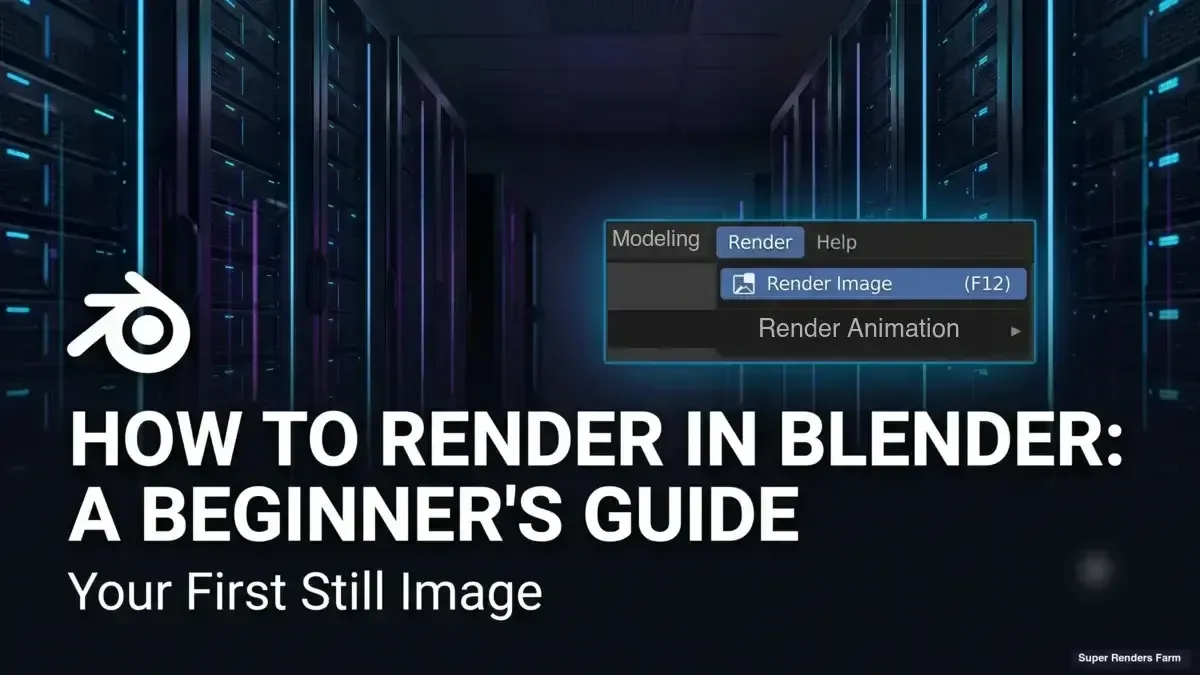
How to Render in Blender: A Beginner's Guide to Your First Still Image
A day-one walkthrough for producing your first still image in Blender - the Render button, Cycles vs EEVEE, output settings, and viewport preview explained.
Top Render Engines for Blender in 2026: Cycles, Eevee, V-Ray, and Octane Compared
A practical comparison of the render engines available for Blender in 2026 — Cycles, Eevee, V-Ray, Octane, and where Redshift and Arnold currently stand — across workflow, hardware, and cloud rendering fit.
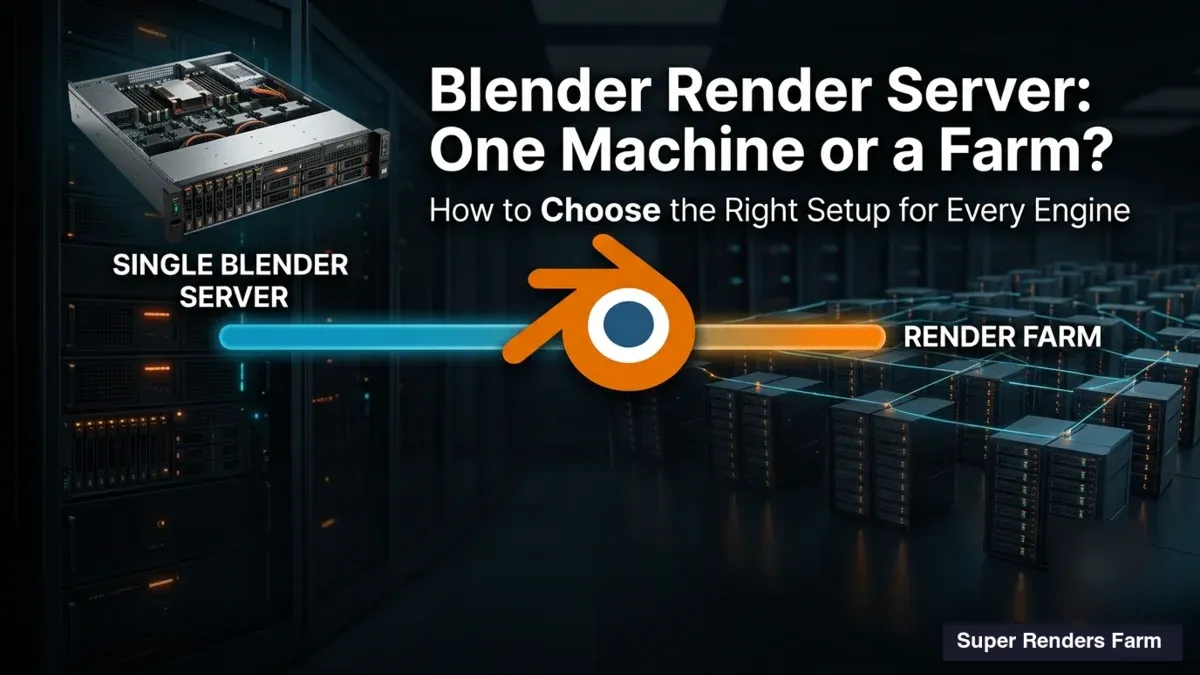
Blender Render Server: What It Means and How to Choose One
"Blender render server" gets used for very different things: one rented machine, or a distributed farm. Here's what each engine actually needs, and a framework for choosing.
RTX 5090 in Production: 7 Weeks of Render Farm Field Notes (38-Scene Study)
What an RTX 5090 actually does once it is buried in a live render queue: 38 paired Blender Cycles scenes, a median 3.2x speedup, and the spread that median hides.
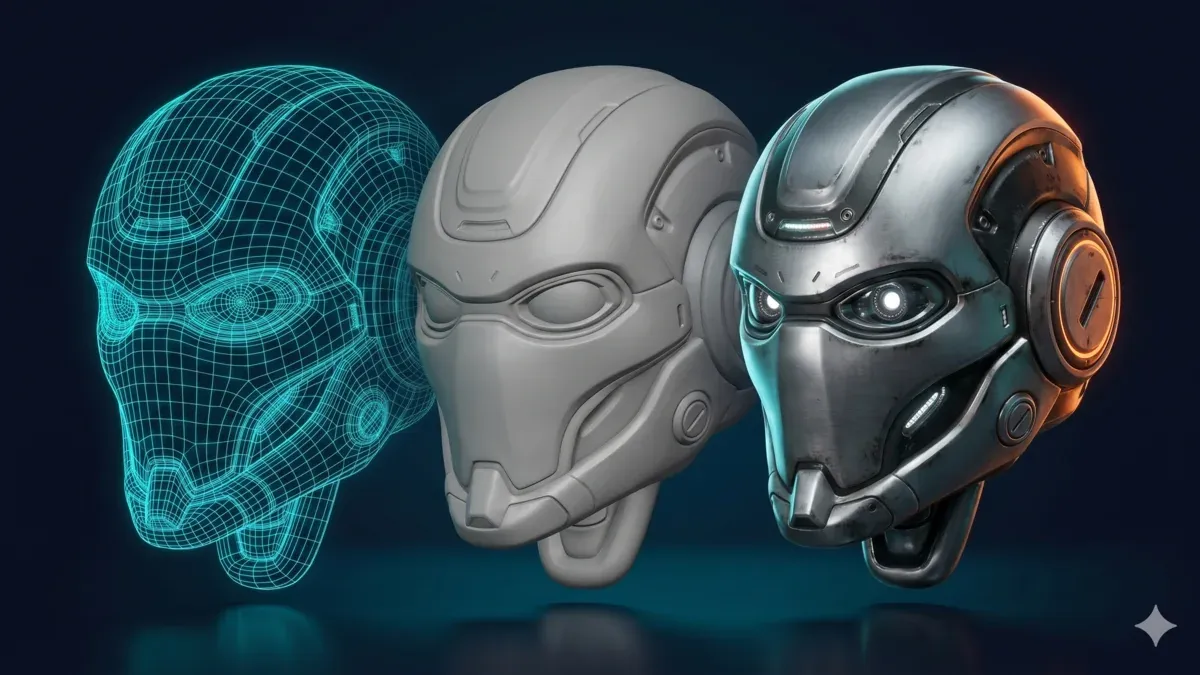
3D Modeling Software Compared (2026): Blender vs Cinema 4D vs Maya vs 3ds Max
Blender, Cinema 4D, Maya, and 3ds Max compared for 2026 — strengths, real pricing, learning curve, and which renders best on a cloud render farm.
Render Farm for Game Cinematics and Trailers in 2026
Before you commit a trailer budget to a render farm: what studios need to know about pipeline fit, NDA discipline, and per-frame cost for 4K game cinematics.
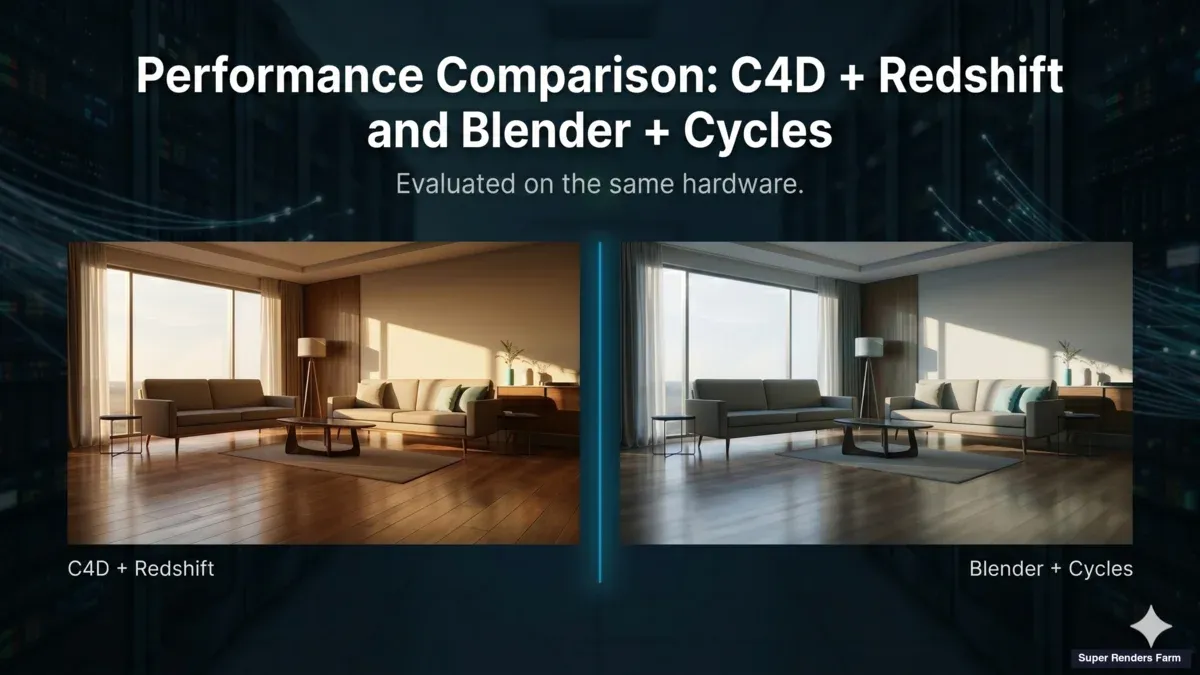
Cinema 4D vs Blender in 2026: A Render-Farm Operator's Honest Comparison
Blender and Cinema 4D compared for 2026 — modeling, motion design, pricing, and real render times on identical cloud hardware.
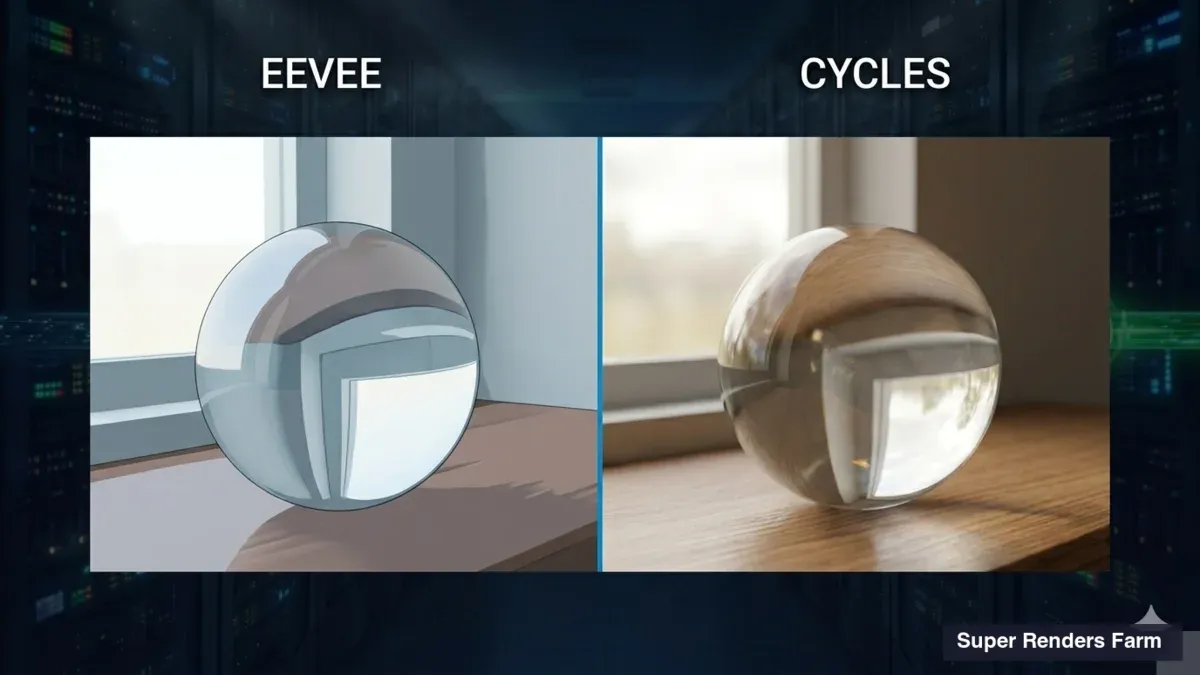
Eevee vs Cycles: When Each Wins on a Cloud Farm
A workflow-first comparison of Eevee Next and Cycles X — when to pick each, how they behave on a cloud render farm, and where Cycles scales with extra GPUs.
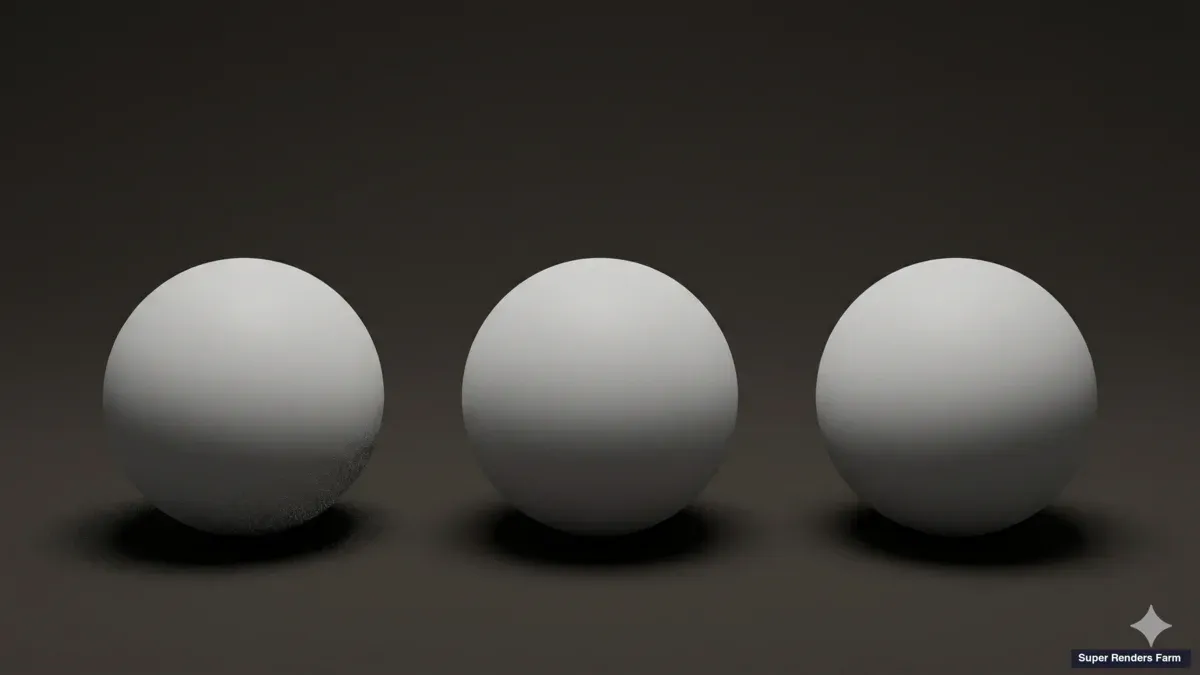
Ambient Occlusion Explained: SSAO vs HBAO vs GTAO (2026 Guide)
What ambient occlusion does, how SSAO, HBAO, and GTAO differ, and when AO baking is fast on a workstation versus when it belongs on a render farm.
Render Services: How Cloud 3D Rendering Works in 2026
Render services let you upload a 3D scene and render it on cloud hardware instead of your workstation. How the process works, what is supported, and what to check before choosing one.