
Tag: V-Ray
Showing all articles tagged with "V-Ray"
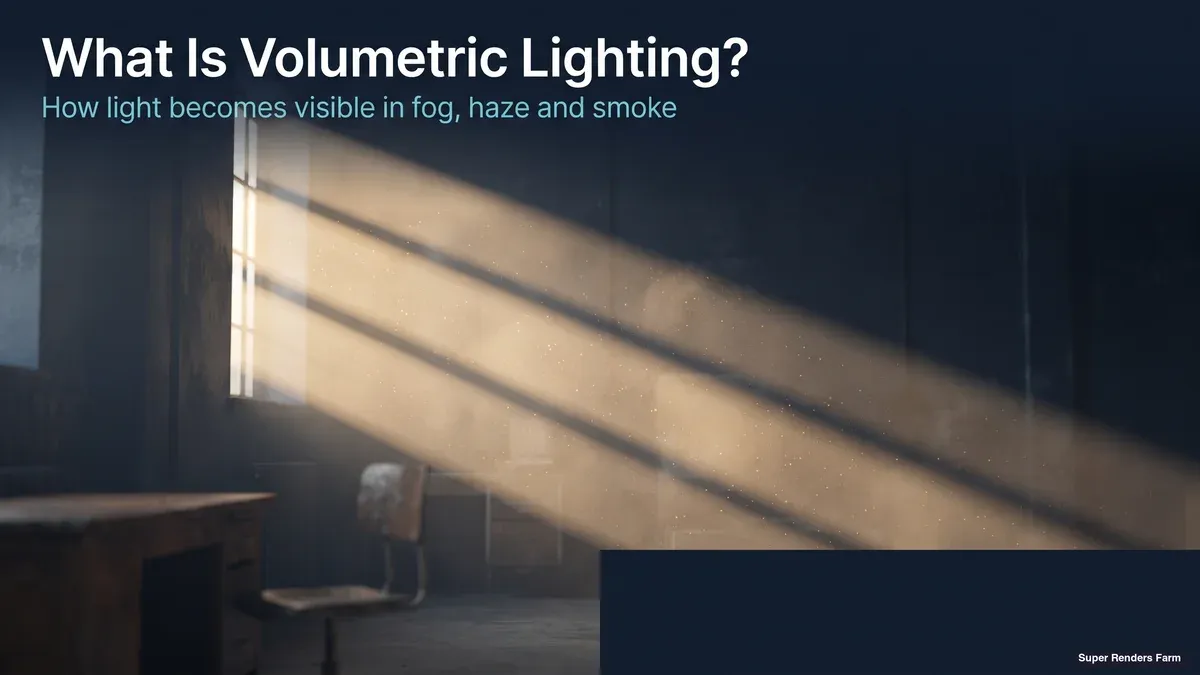
What Is Volumetric Lighting? How Renderers Light Fog, Haze and Smoke
Volumetric lighting is light made visible by fog, haze, smoke or dust. Here is the physics behind god rays, how renderers march through volumes, and why a foggy shot renders slowly.
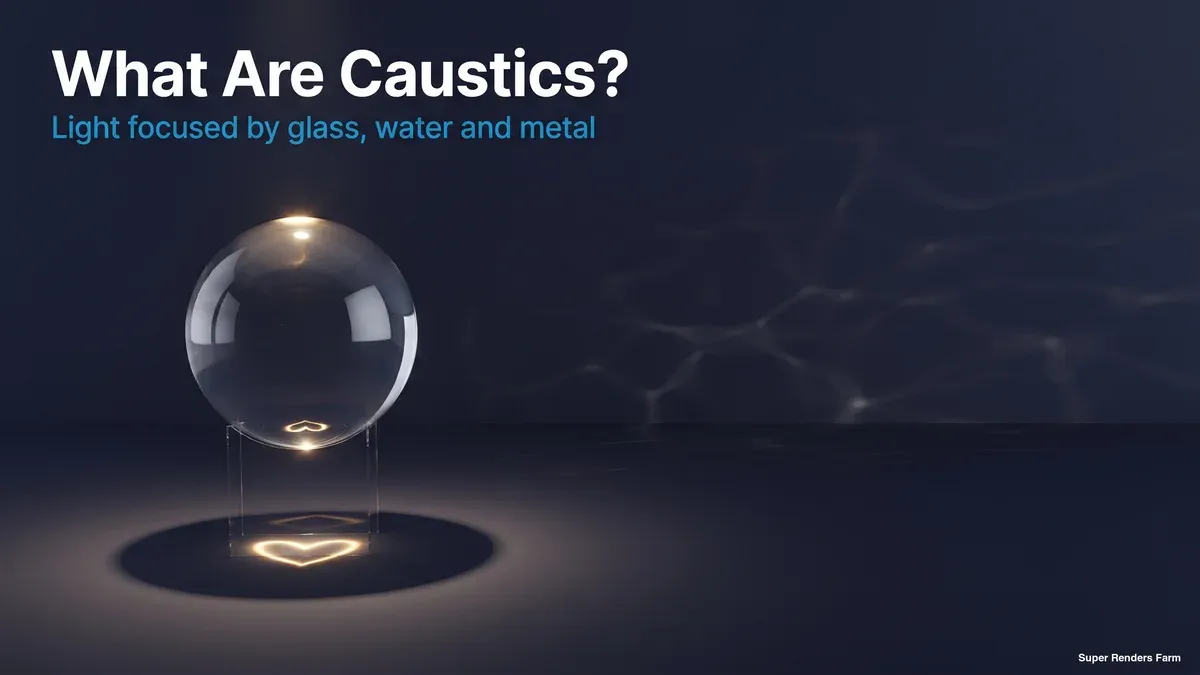
What Are Caustics? Focused Light in Optics and 3D Rendering
Caustics are the bright patterns light makes after a curved glass, water surface or metal focuses it. Here is the optics, why path tracers render them as noise, and how engines handle them.
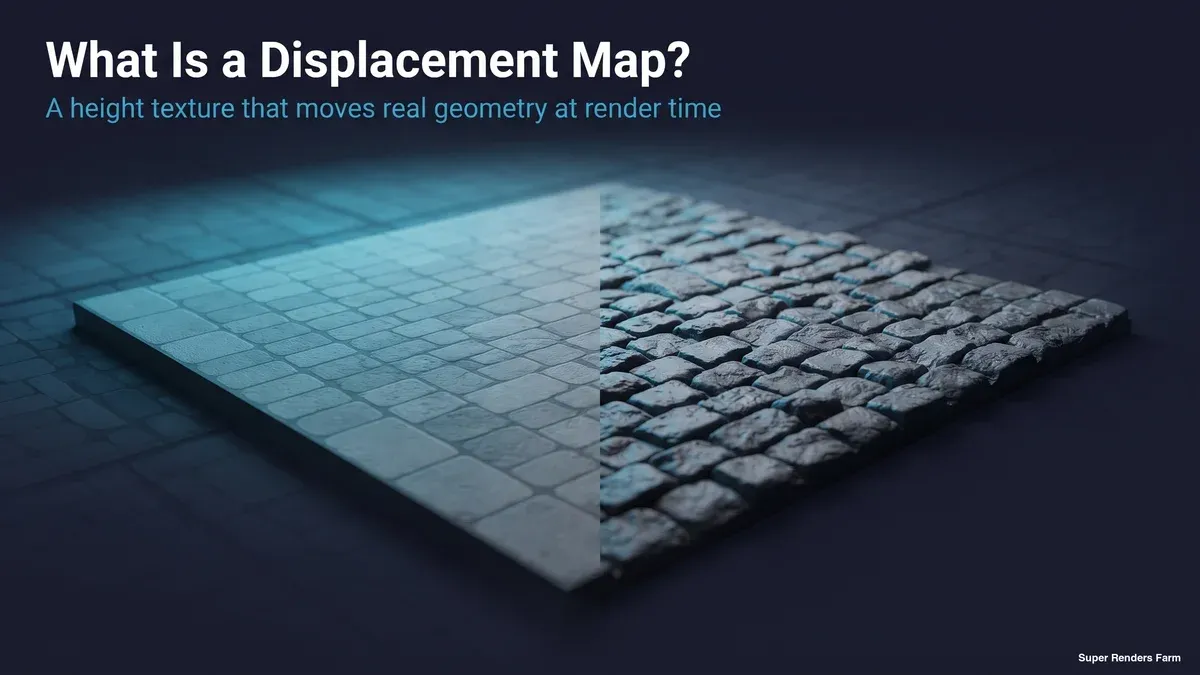
What Is a Displacement Map? How Height Textures Move Real Geometry
A displacement map is a height texture that moves real geometry at render time. Here is how it differs from bump and normal maps, how renderers subdivide for it, and why it costs memory.
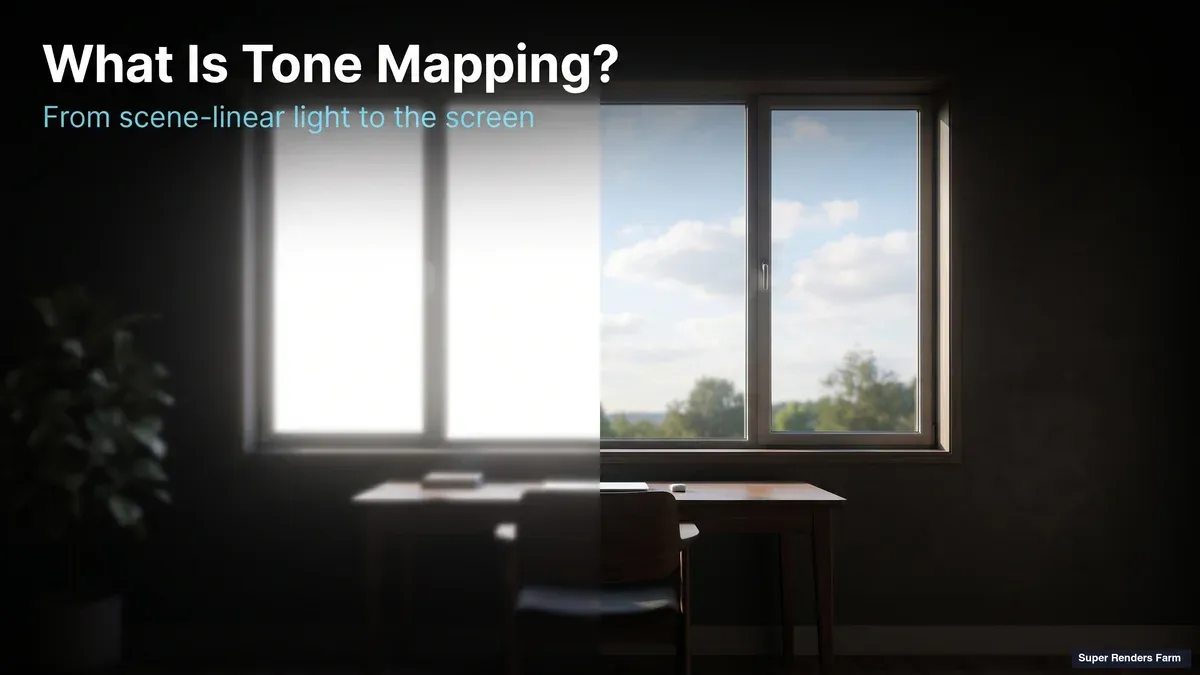
What Is Tone Mapping? From Scene-Linear Renders to the Screen
Tone mapping compresses the huge brightness range a renderer calculates into what a screen can show. Here is why renders need it, how the classic curves differ, and where to apply it in a farm pipeline.
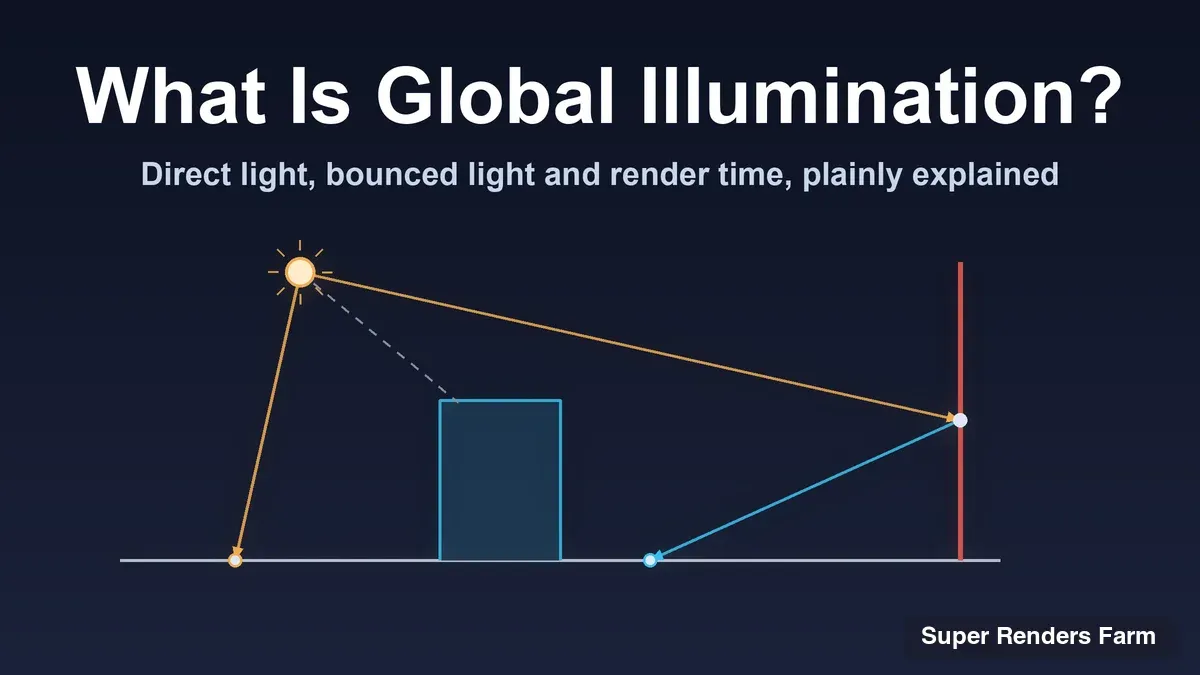
What Is Global Illumination? How Bounced Light Shapes Realism and Render Time
Global illumination is the light that reaches a surface after bouncing off other surfaces. Here is how bounces, path tracing, light caches and baked GI work, and why bounce count drives render time.
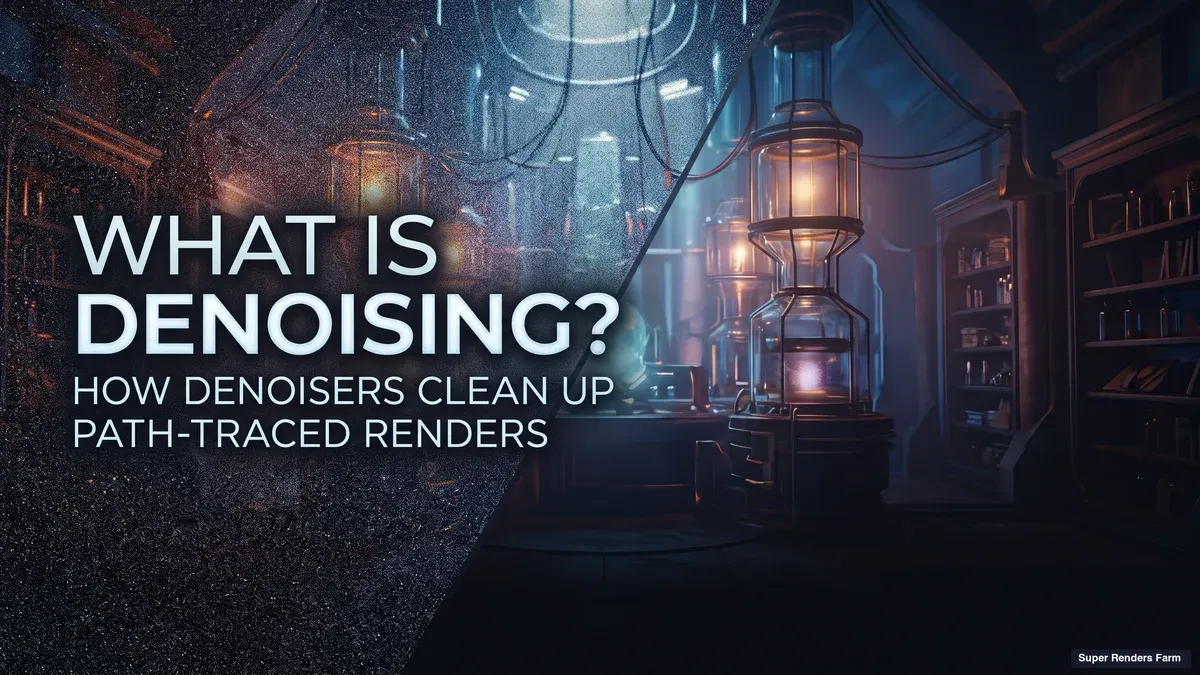
What Is Denoising? How Denoisers Clean Up Path-Traced Renders
Denoising removes the grain a path-traced render carries when it stops sampling early. Here is how denoisers work, which ones you will meet, and where they smear detail or flicker.
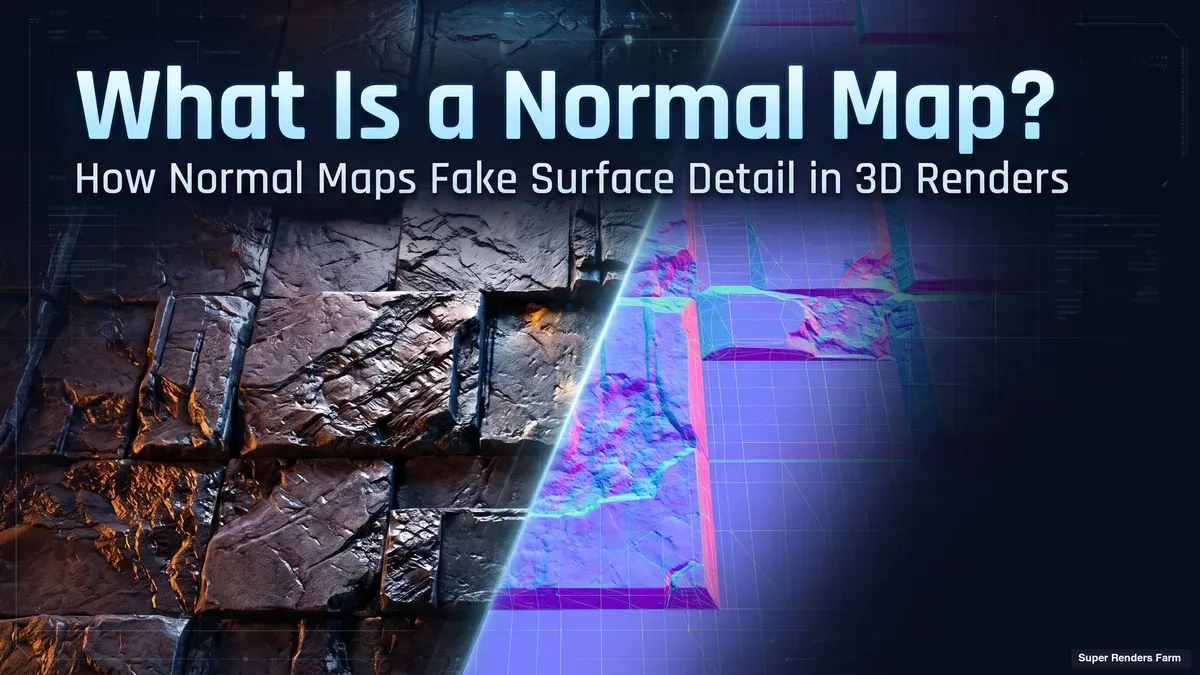
What Is a Normal Map? How Normal Maps Fake Surface Detail in 3D Renders
A normal map stores a surface direction in every pixel, so a flat surface can be lit as if it had bumps. Here is how it works, how it differs from bump and displacement, and what each costs to render.
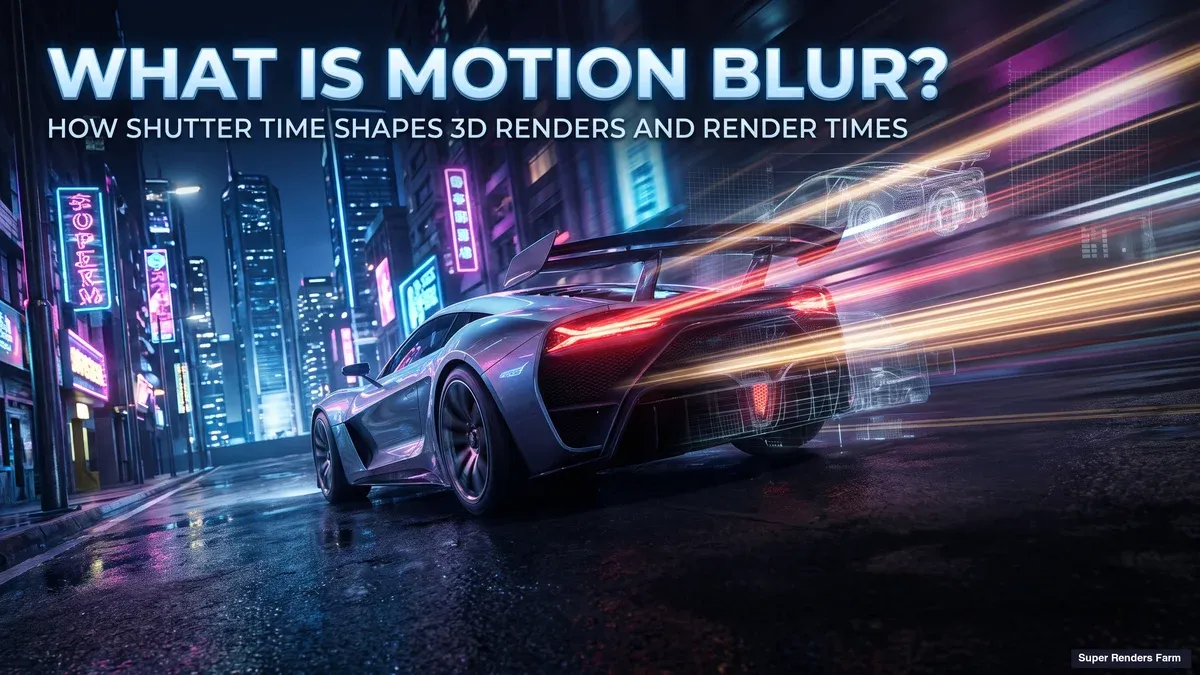
What Is Motion Blur? How Shutter Time Shapes 3D Renders and Render Times
Motion blur is the streak a moving object leaves during one exposure. Here is how shutter time creates it, how 3D renderers simulate it, why it raises render time, and when to add it in comp.
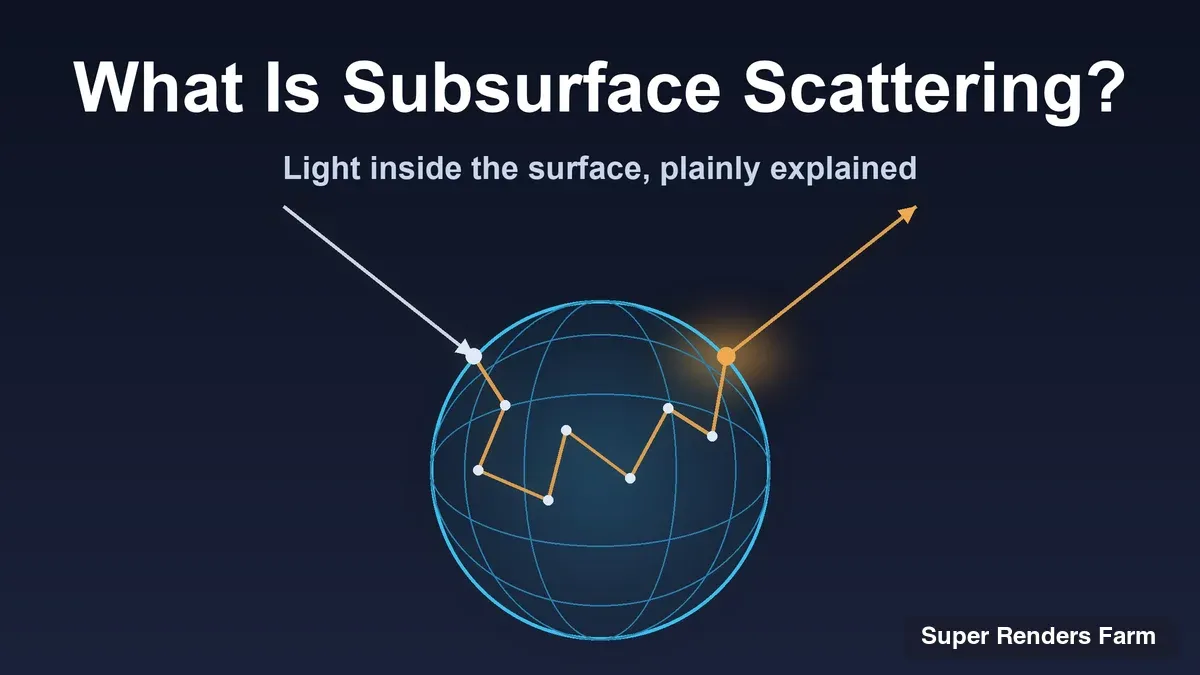
What Is Subsurface Scattering? How Light Inside a Surface Shapes 3D Renders
Subsurface scattering is light entering a translucent surface, bouncing around inside and leaving somewhere else. Here is how renderers model it and why it adds render time.
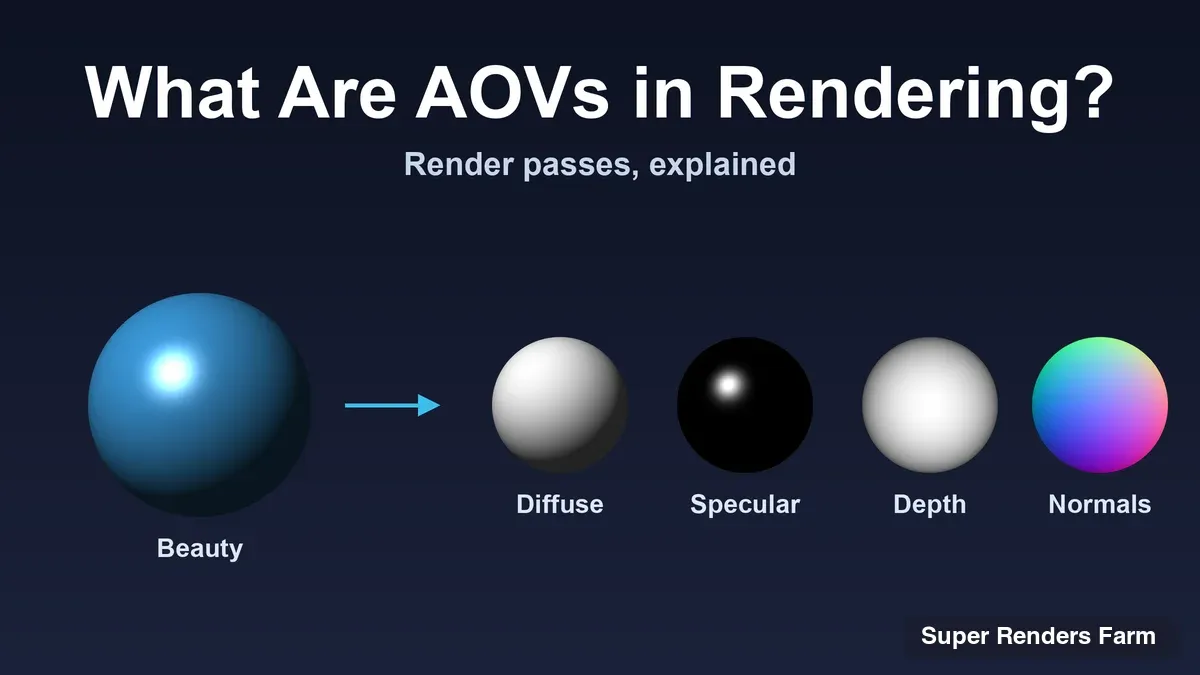
What Are AOVs in Rendering? Render Passes, Naming and Output Explained
AOVs are Arbitrary Output Variables: extra images a renderer writes next to the beauty pass. Here is what they hold, how each engine names them, and what they change on a render farm.