
Latest Articles
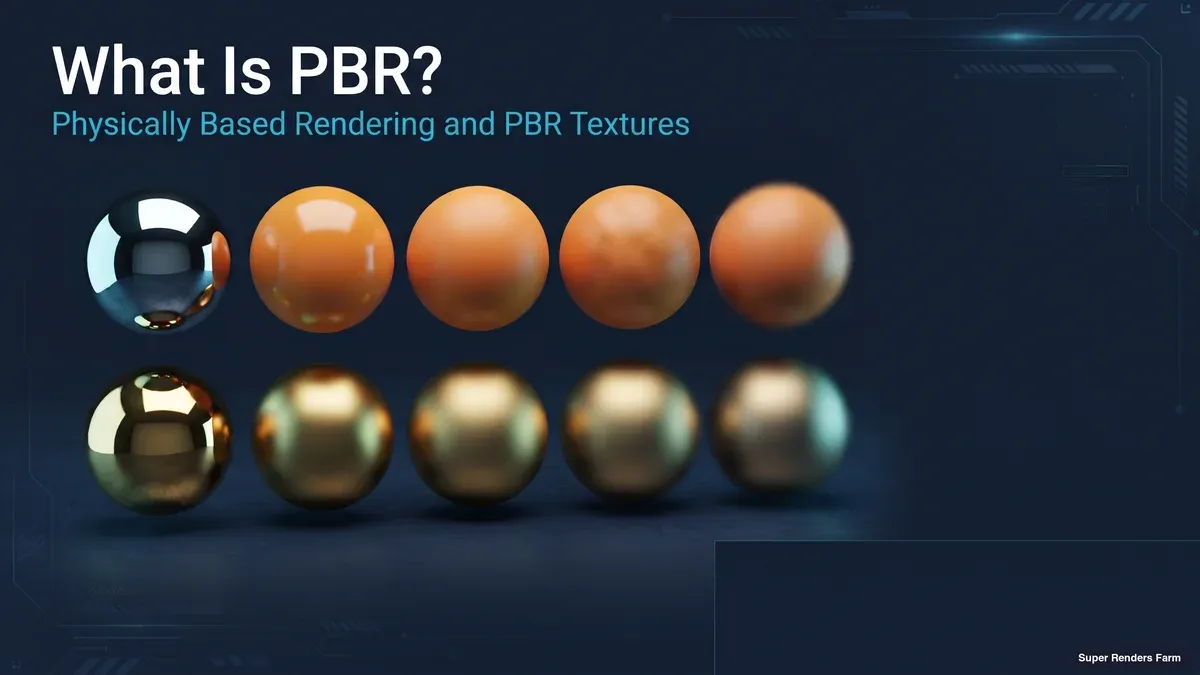
What Is PBR? Physically Based Rendering and PBR Textures Explained
PBR describes surfaces with measurable properties so light behaves on them as it does in the real world. Here is the physics, the two workflows, what each PBR texture map stores, and what large maps mean for render memory.
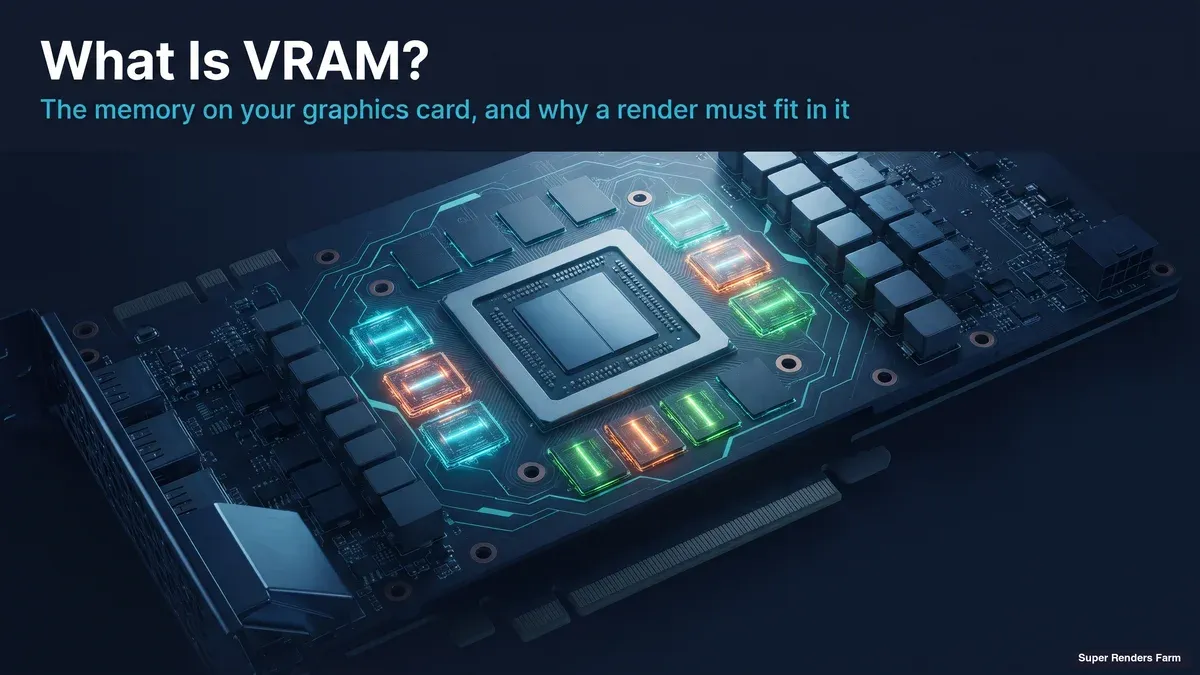
What Is VRAM? How Video Memory Works in Games and 3D Rendering
VRAM is the memory on your graphics card. Here is what it holds, how it differs from system RAM, how much games and 3D rendering need, and what happens when a scene does not fit.
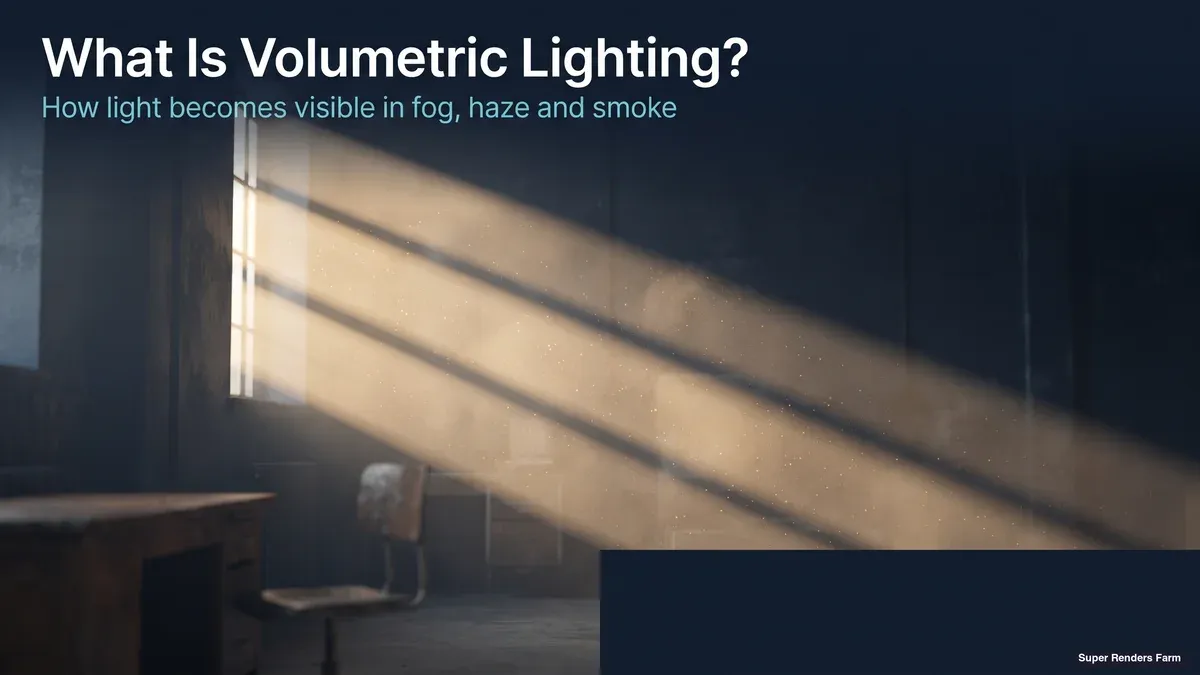
What Is Volumetric Lighting? How Renderers Light Fog, Haze and Smoke
Volumetric lighting is light made visible by fog, haze, smoke or dust. Here is the physics behind god rays, how renderers march through volumes, and why a foggy shot renders slowly.
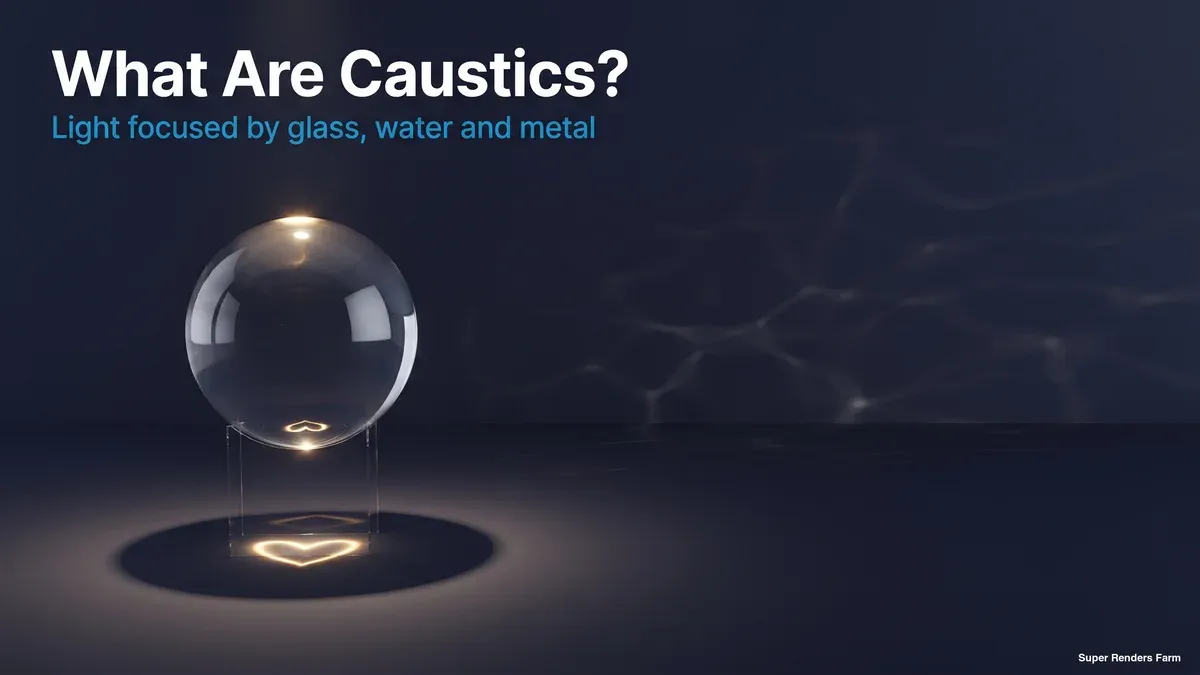
What Are Caustics? Focused Light in Optics and 3D Rendering
Caustics are the bright patterns light makes after a curved glass, water surface or metal focuses it. Here is the optics, why path tracers render them as noise, and how engines handle them.
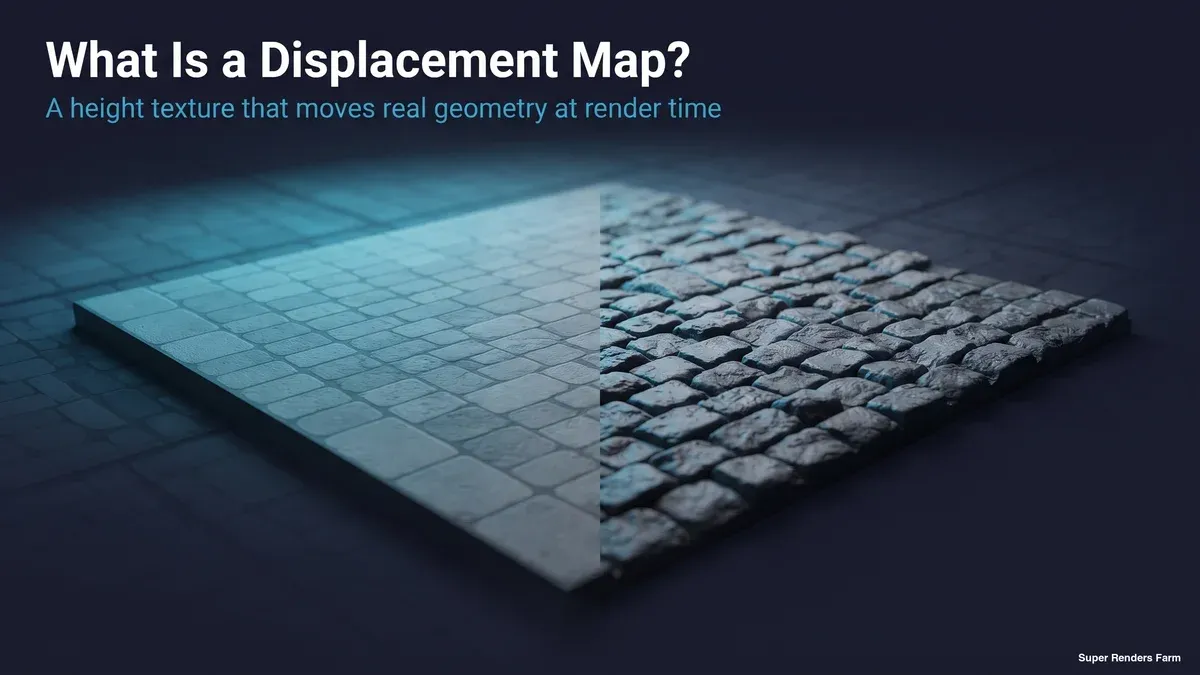
What Is a Displacement Map? How Height Textures Move Real Geometry
A displacement map is a height texture that moves real geometry at render time. Here is how it differs from bump and normal maps, how renderers subdivide for it, and why it costs memory.
Render Farm for Freelancers and Small Studios: When It Pays and How to Choose
When a solo artist or a studio of 2 to 10 people should send work to a render farm, which criteria matter at that size, and what a job costs, worked through with real prices.
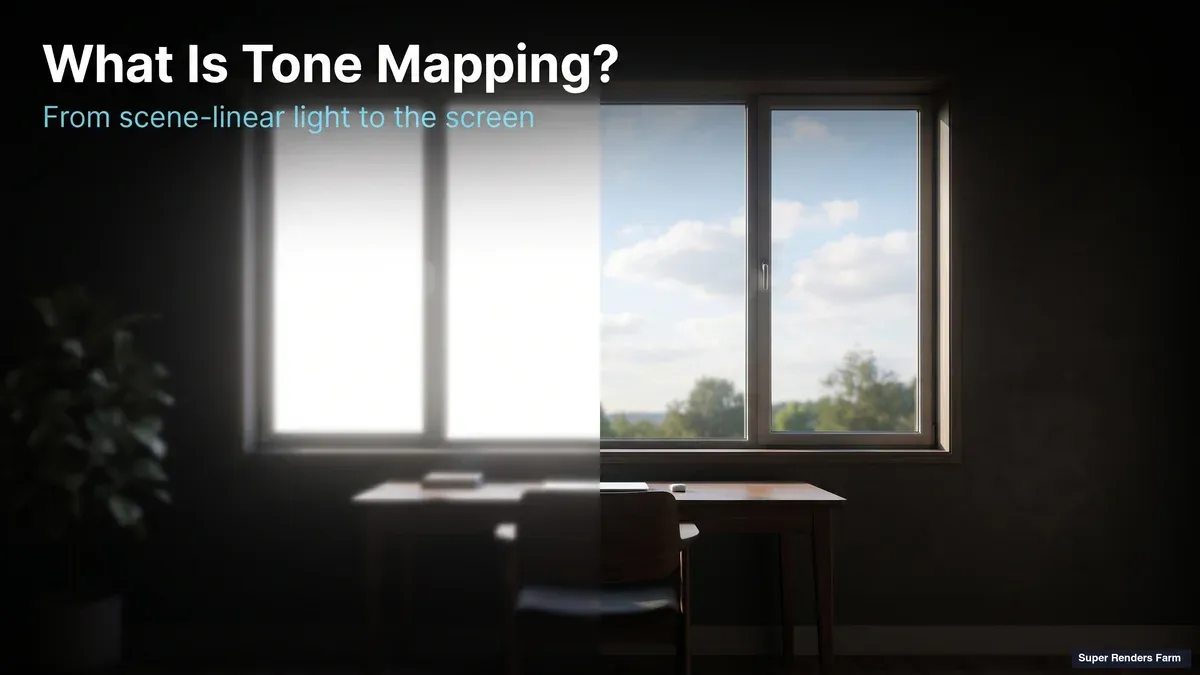
What Is Tone Mapping? From Scene-Linear Renders to the Screen
Tone mapping compresses the huge brightness range a renderer calculates into what a screen can show. Here is why renders need it, how the classic curves differ, and where to apply it in a farm pipeline.
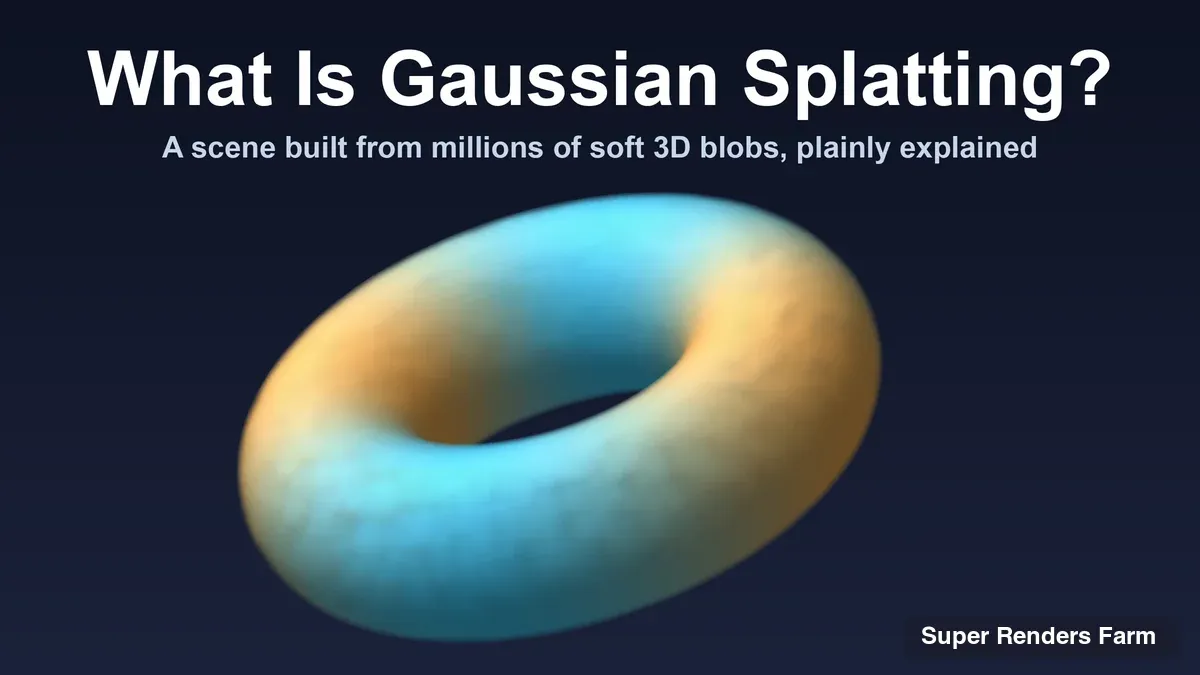
What Is Gaussian Splatting? How 3D Gaussian Splats Turn Photos Into Real-Time Scenes
Gaussian splatting represents a captured scene as millions of soft 3D blobs and draws them with a fast rasterizer. Here is how it works, how it differs from NeRF and meshes, and what changes for a render farm.
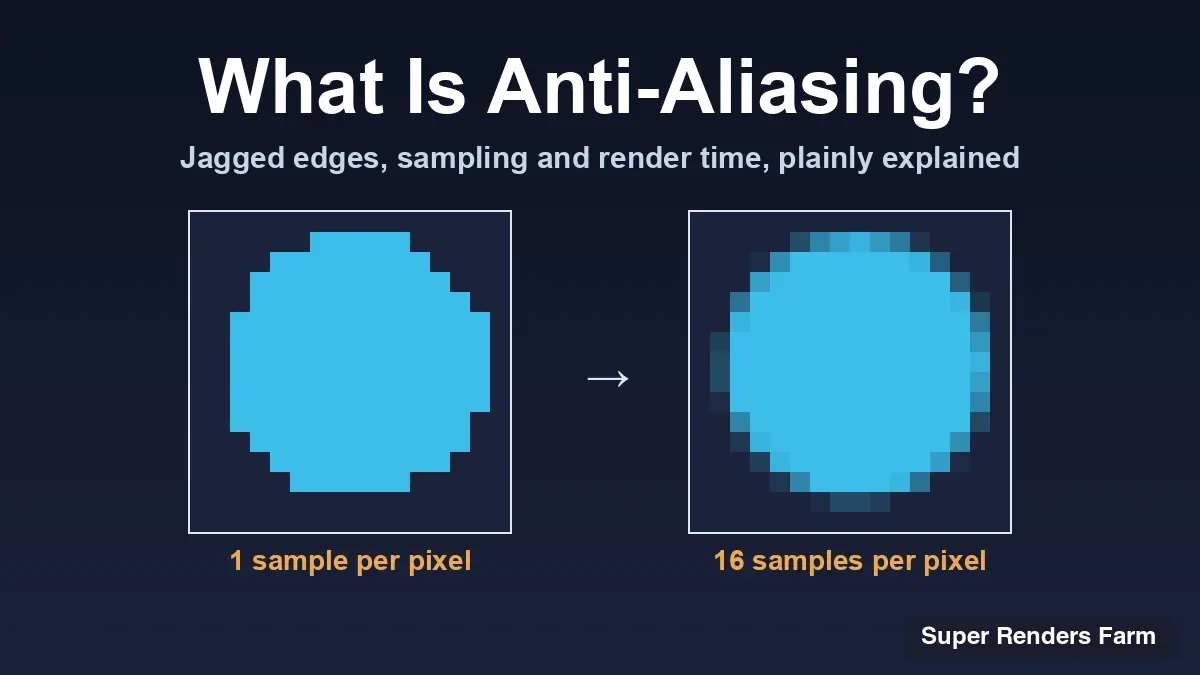
What Is Anti-Aliasing? Jagged Edges, Samples and Render Time Explained
Anti-aliasing smooths the jagged edges that appear when a scene is drawn on a pixel grid. Here is how sampling explains it, what game settings like MSAA and TAA do, and why AA samples are render time.
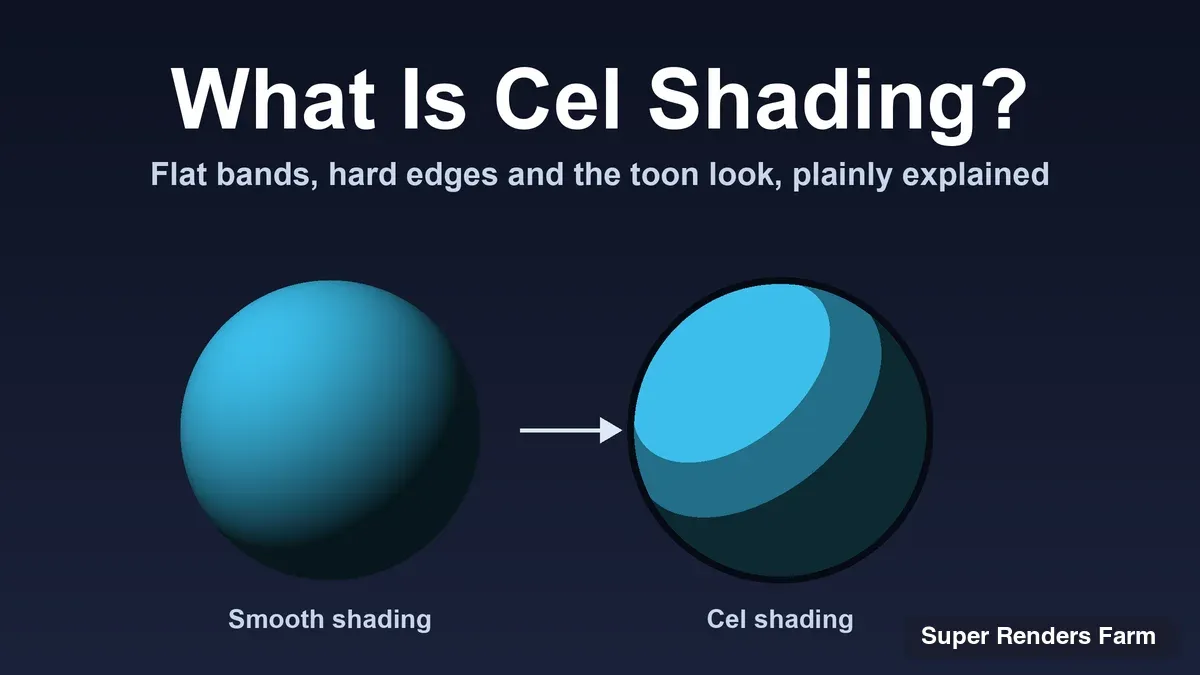
What Is Cel Shading? How the Flat, Hand-Drawn 3D Look Works
Cel shading makes 3D look flat and hand-drawn by snapping smooth lighting into a few bands, often with outlines. Here is how it works, and how a Blender toon render turns into frame count.
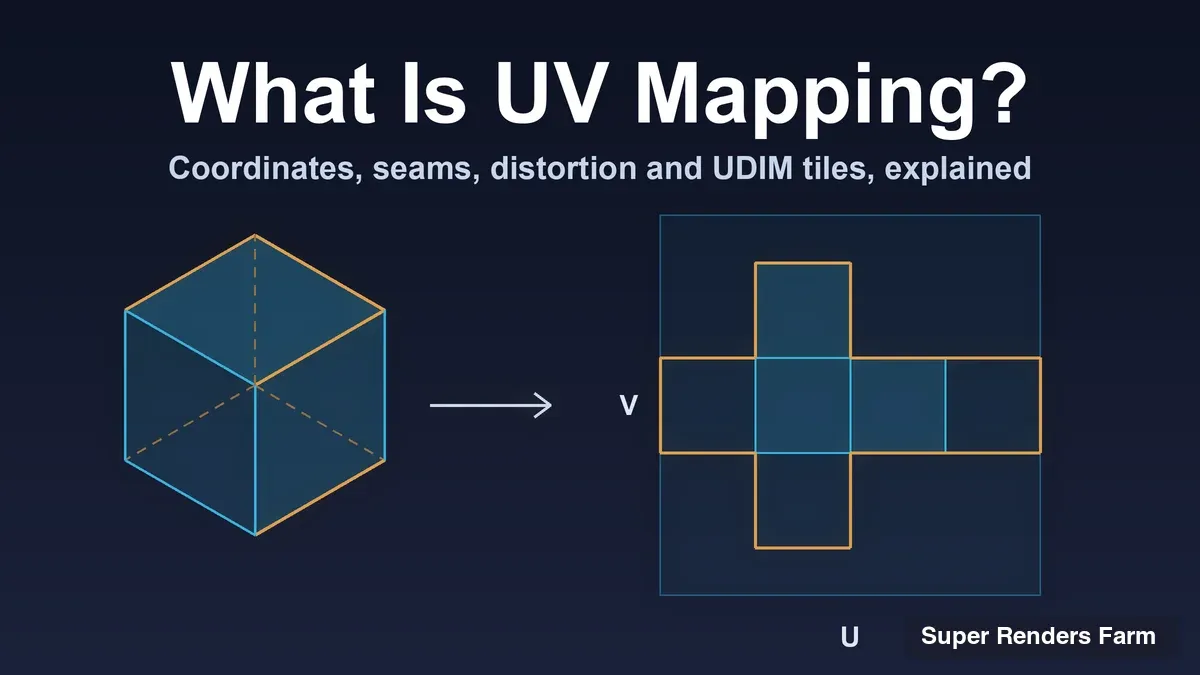
What Is UV Mapping? How UV Coordinates, Seams, Distortion and UDIM Tiles Work
UV mapping gives every point on a 3D surface a position on a 2D texture. Here is how UV coordinates, seams, stretching, texel density and UDIM tiles work, and why tile paths matter on a farm.
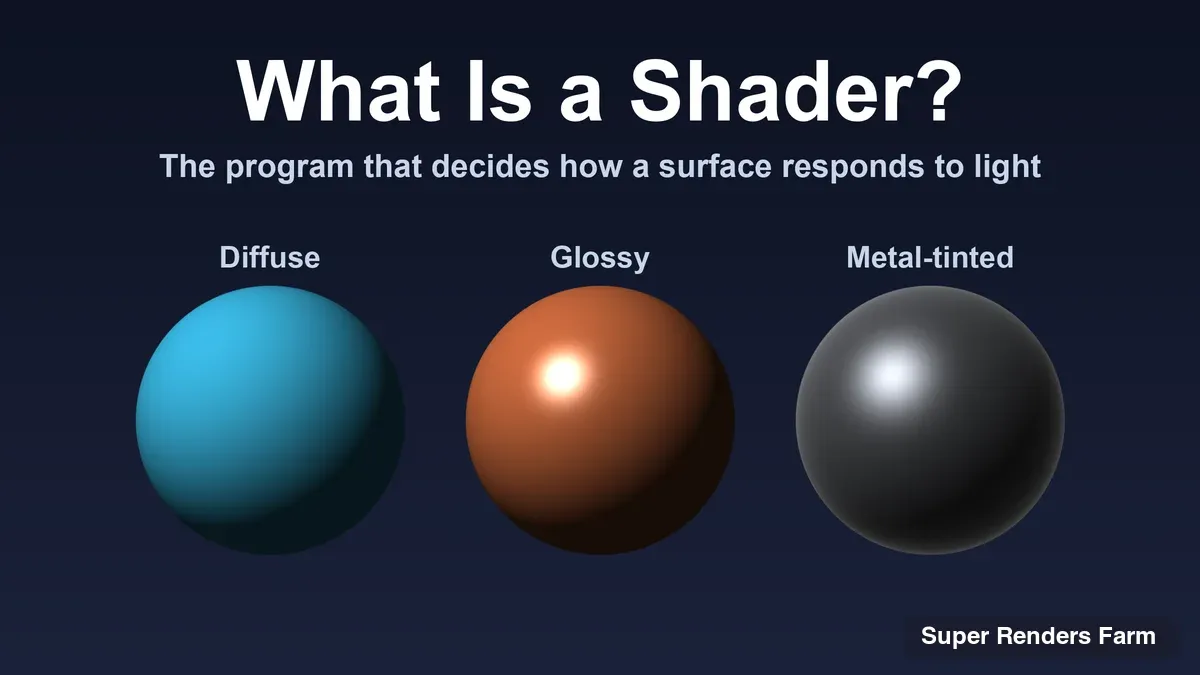
What Is a Shader? How Shaders Decide What a Surface Looks Like
A shader is a small program that decides how a surface responds to light. Here is what shaders take in, how real-time and offline shaders differ, and why they change render time.