
Tag: Blender
Showing all articles tagged with "Blender"
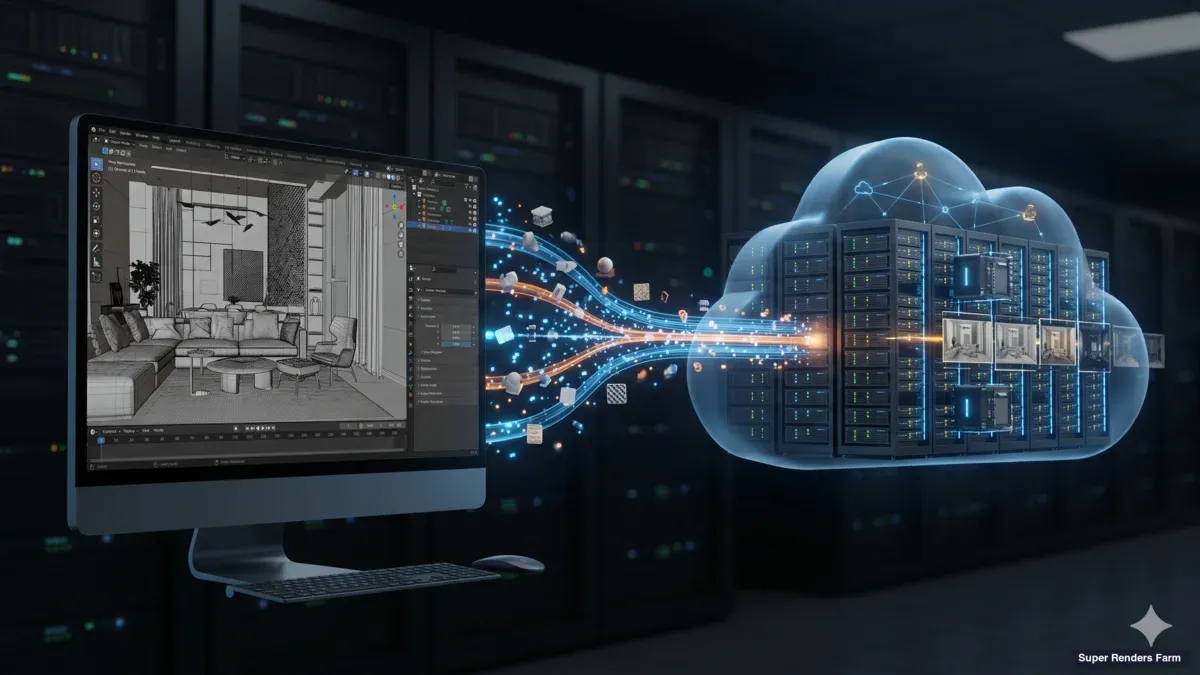
Blender Cloud Rendering: How to Render Your Projects on a Farm
A practical guide to Blender cloud rendering — scene prep, submission workflow, Cycles and Eevee on a render farm, add-on licensing, and cost optimization.
Free Render Farms Compared: What's Actually Free in 2026
Not all free render farms are the same. We compare truly free options like SheepIt with commercial free trials to help you pick the right one.
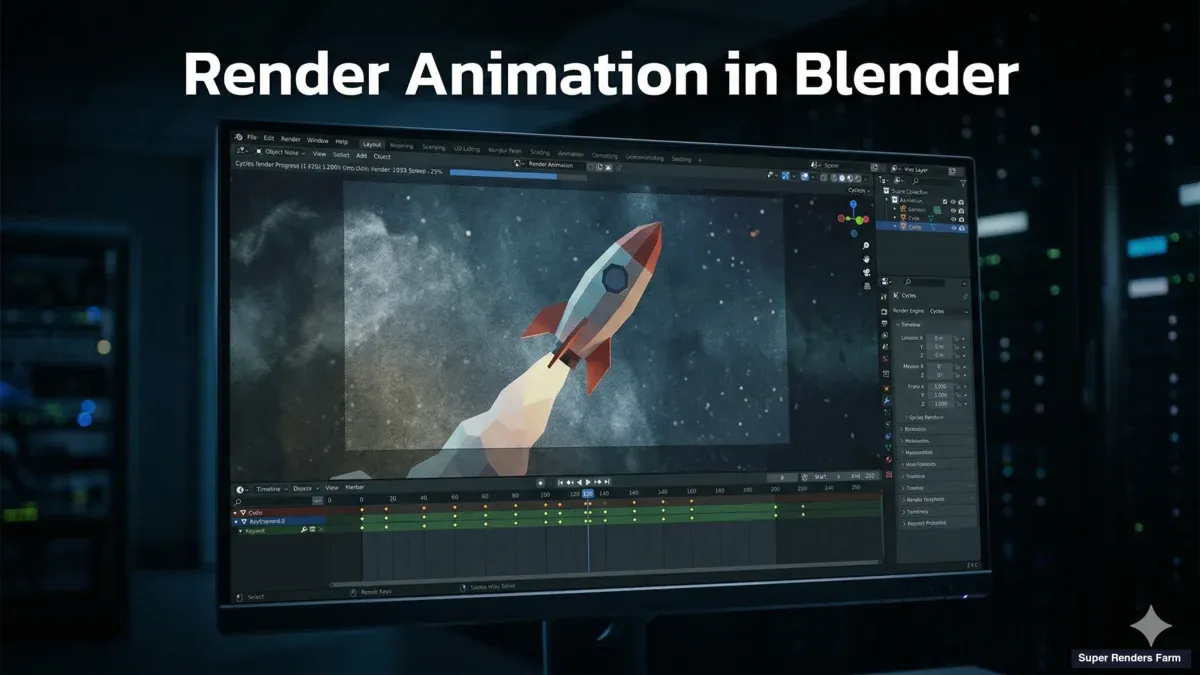
How to Render Animation in Blender: A Complete Guide for 3D Artists
Practical guide to rendering animations in Blender — Cycles and Eevee setup, output settings, optimization, and render farm workflows.
Blender Render Settings: Complete Cycles and Eevee Guide
A practical guide to Blender render settings for Cycles and Eevee — covering samples, denoising, light paths, resolution, and performance optimization.
SCAD Render Farm Guide: Cloud Rendering for Art and Design Students
A practical guide for SCAD students who need cloud rendering power for thesis animations, senior projects, and tight deadlines.
V-Ray for Blender vs 3ds Max: Which Pipeline Fits Your Studio?
V-Ray runs on both Blender and 3ds Max, but the experience differs. Compare features, cost, and ecosystem fit to choose the right pipeline.
Blender Render Farm in 2026: Cycles, GPU Rendering, and How to Choose
RTX 5090 benchmark times, Cycles vs EEVEE on a farm, plugin and add-on support, local vs cloud cost comparison, pricing, and file prep for Blender render farm submissions.
How to Render Multiple Cameras in Blender 4.x
Multi-camera rendering in Blender — scene-based approach, Python batch scripts, and compositor setup for farms.

Blender vs Maya in 2026: An Honest Comparison for 3D Artists
The choice between Blender and Maya has never been more relevant. In 2026, both tools have matured significantly—Blender as a powerful free alternative...

5 Tips to Optimize V-Ray Rendering Speed in Blender
Boost your V-Ray render times in Blender with these 5 proven optimization techniques. Reduce samples, use adaptive lights, and more.