
Rendering
Articles on 3D rendering techniques, optimization, and cloud render farm workflows — practical guidance from Super Renders Farm engineers.
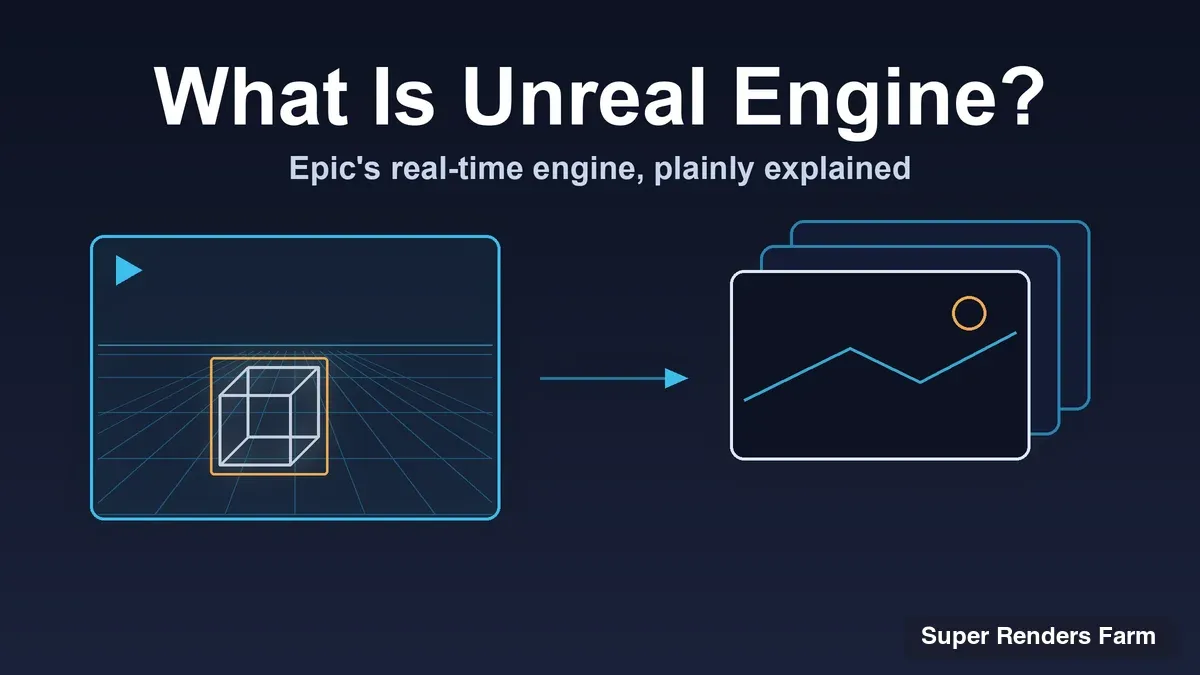
What Is Unreal Engine? Epic's Real-Time Engine Explained: Uses, Licensing and Rendering
Unreal Engine is Epic Games' real-time 3D engine, used for games, architectural visualization, virtual production and automotive design. Here is what it does and how its frames get rendered.
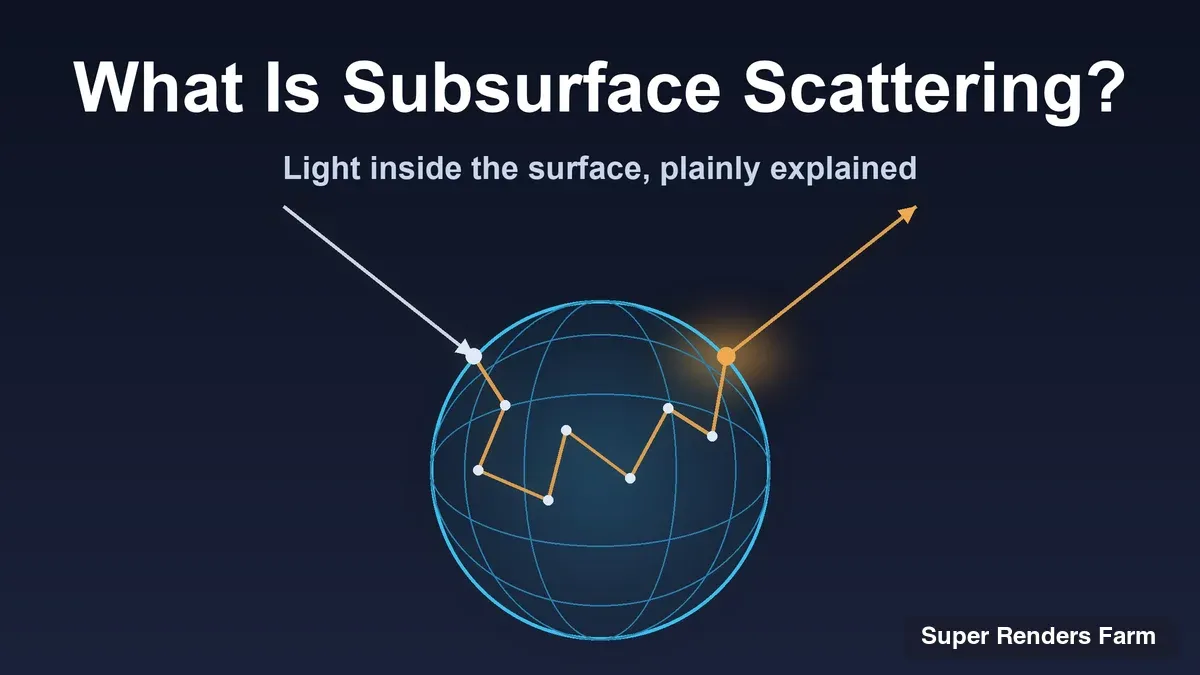
What Is Subsurface Scattering? How Light Inside a Surface Shapes 3D Renders
Subsurface scattering is light entering a translucent surface, bouncing around inside and leaving somewhere else. Here is how renderers model it and why it adds render time.
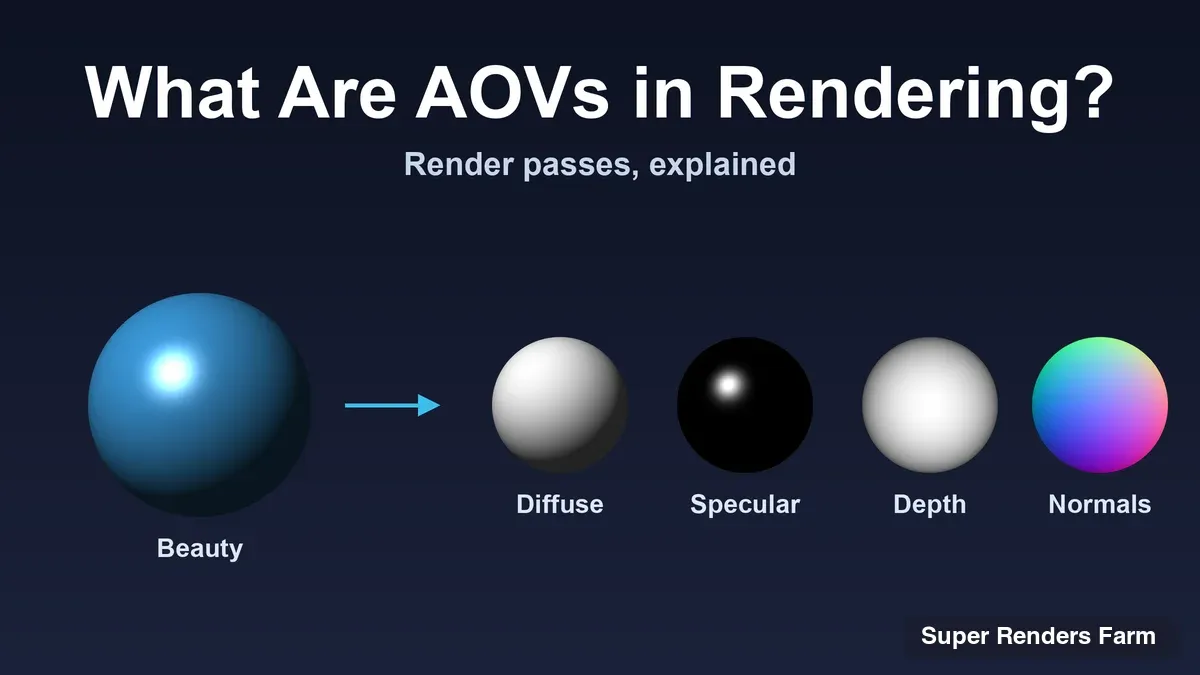
What Are AOVs in Rendering? Render Passes, Naming and Output Explained
AOVs are Arbitrary Output Variables: extra images a renderer writes next to the beauty pass. Here is what they hold, how each engine names them, and what they change on a render farm.
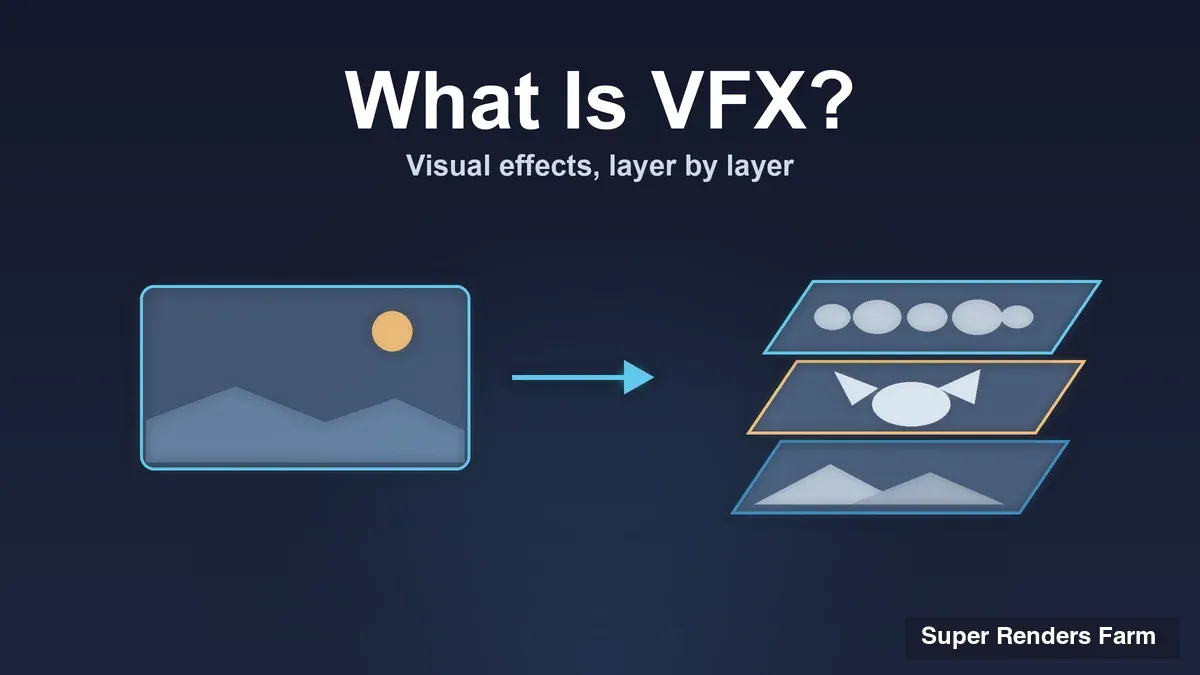
What Is VFX? Visual Effects Explained: Types, Pipeline and Software
VFX is imagery created or changed outside the live-action shot. Here is how it differs from CGI and practical effects, the main types of work, how a shot moves through the pipeline, and where rendering fits.
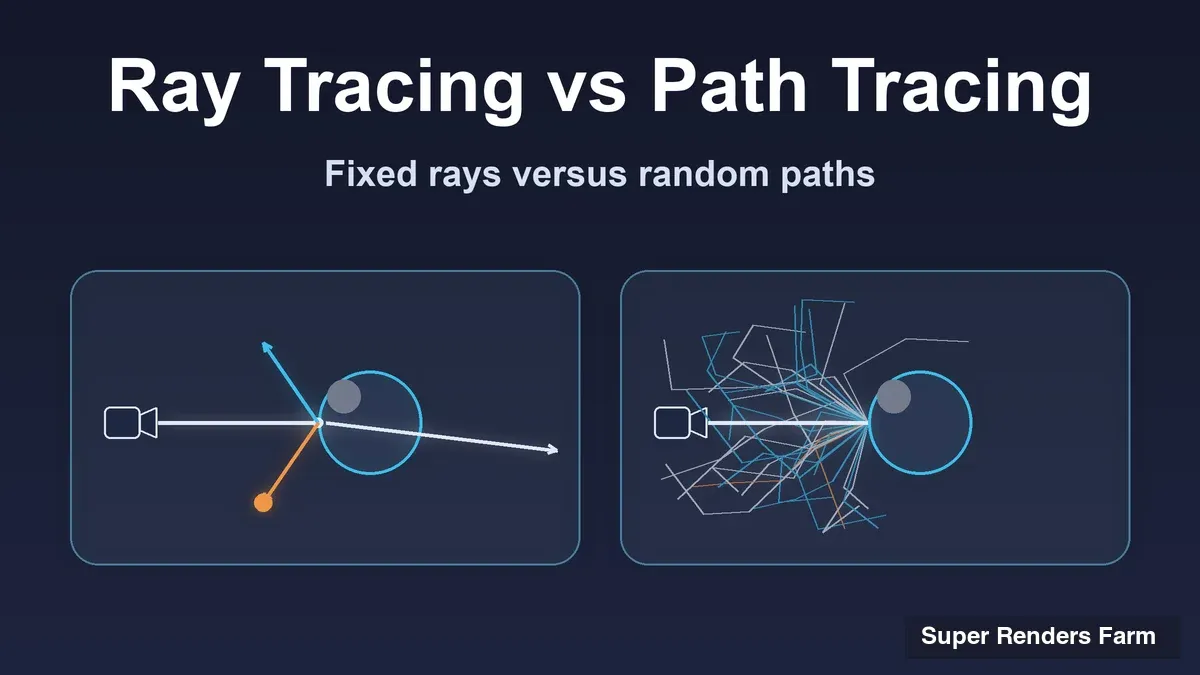
Ray Tracing vs Path Tracing: What Is the Difference in 3D Rendering?
Path tracing is a form of ray tracing that follows random light paths and averages them. Here is how the two differ, why path tracing is noisy, and why it decides your render time.
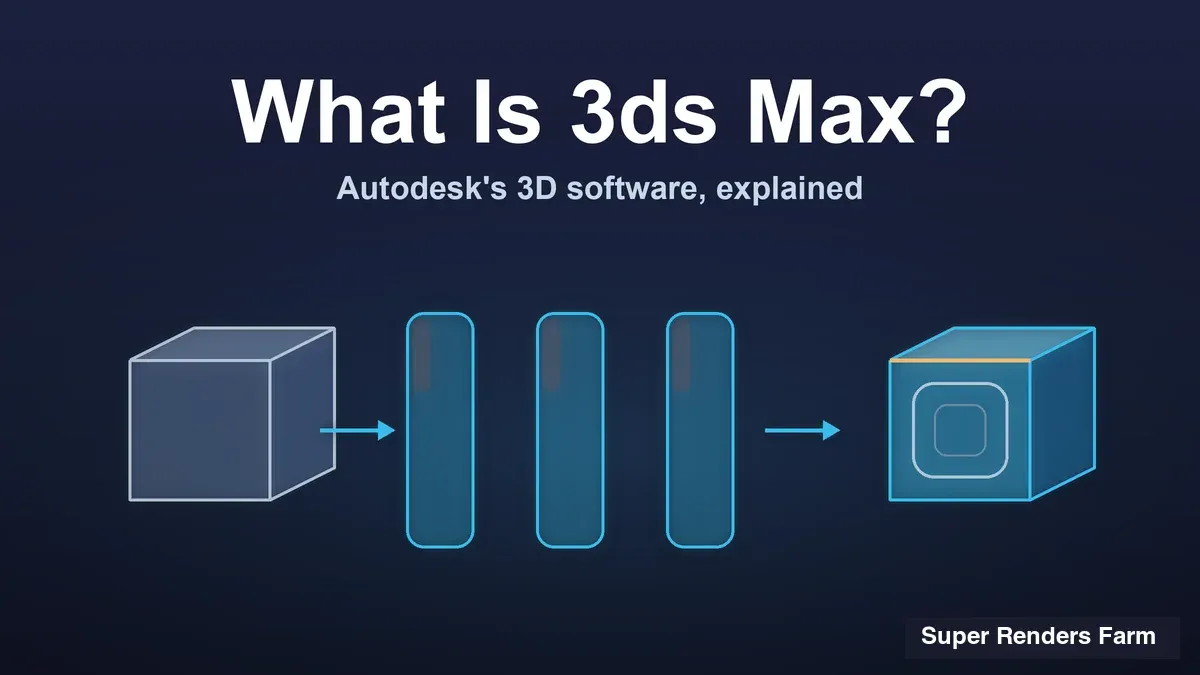
What Is 3ds Max? Autodesk 3ds Max Explained for Artists and Studios
3ds Max is Autodesk's Windows 3D application for modeling, animation and rendering. Here is what it does, who uses it, and what rendering a 3ds Max scene involves.
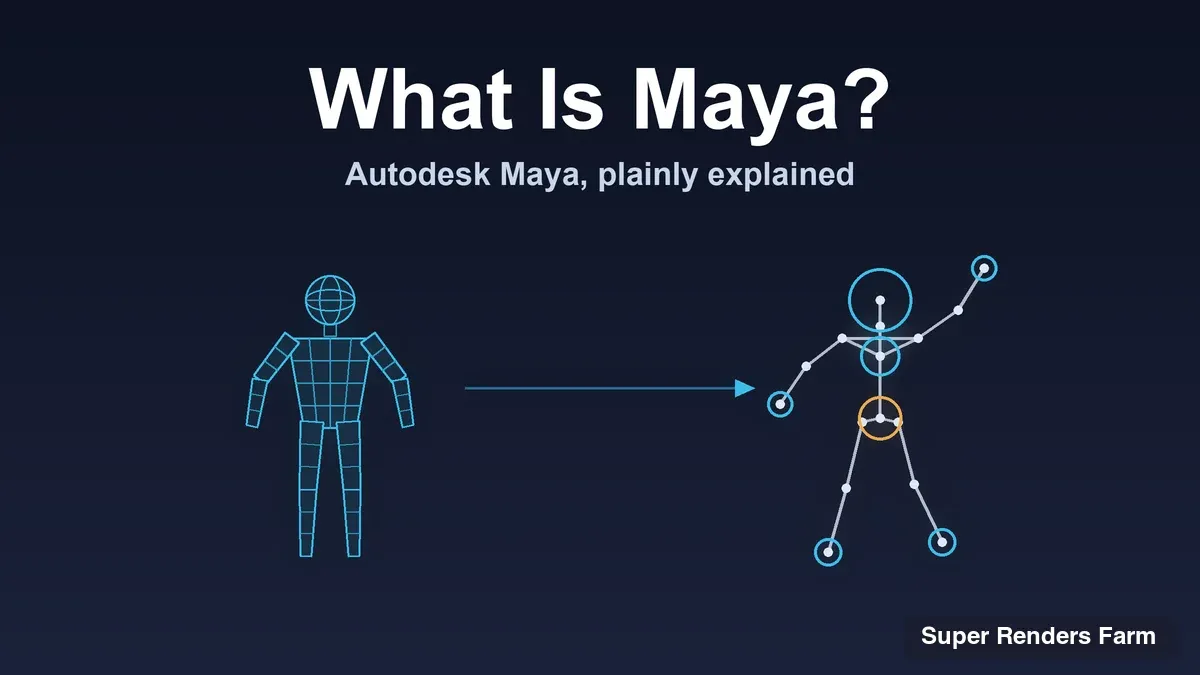
What Is Maya? Autodesk Maya Explained: Uses, Renderers and Who Needs It
Maya is Autodesk's 3D software for animation, rigging and visual effects. Here is what it does, who genuinely needs it, and what happens when you render a Maya scene.
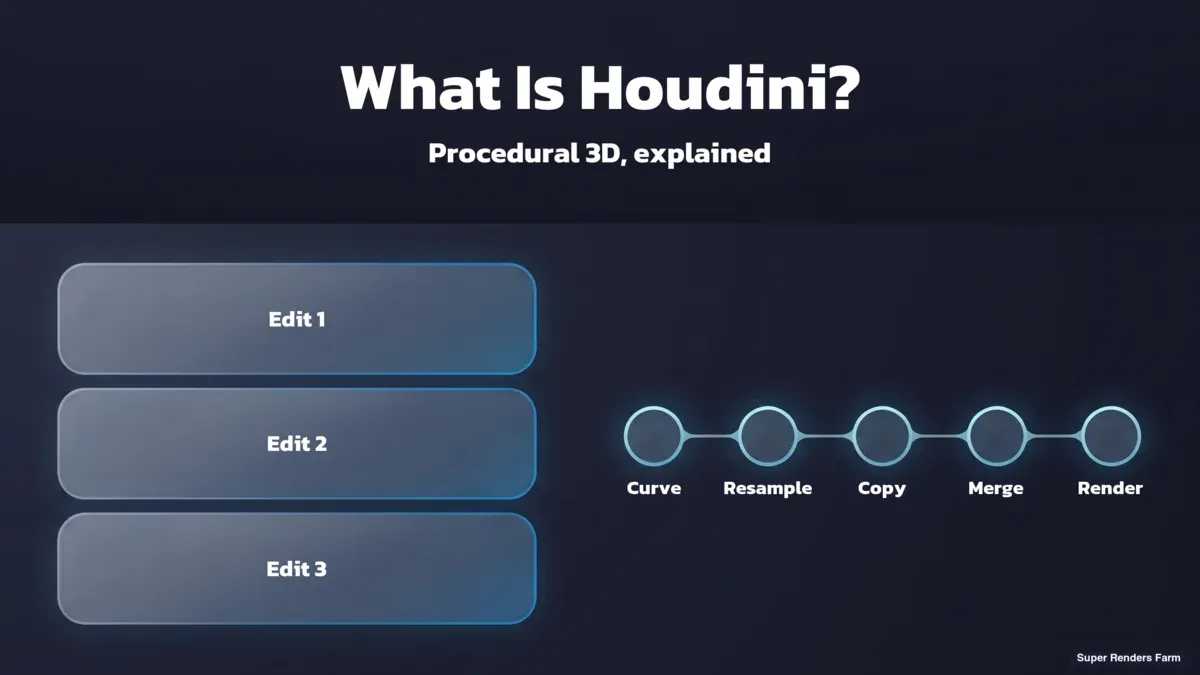
What Is Houdini? Procedural 3D Software Explained for Artists and Studios
Houdini builds scenes from connected nodes instead of stacked edits. Here is what that means, who genuinely needs it, and what changes when you render it.
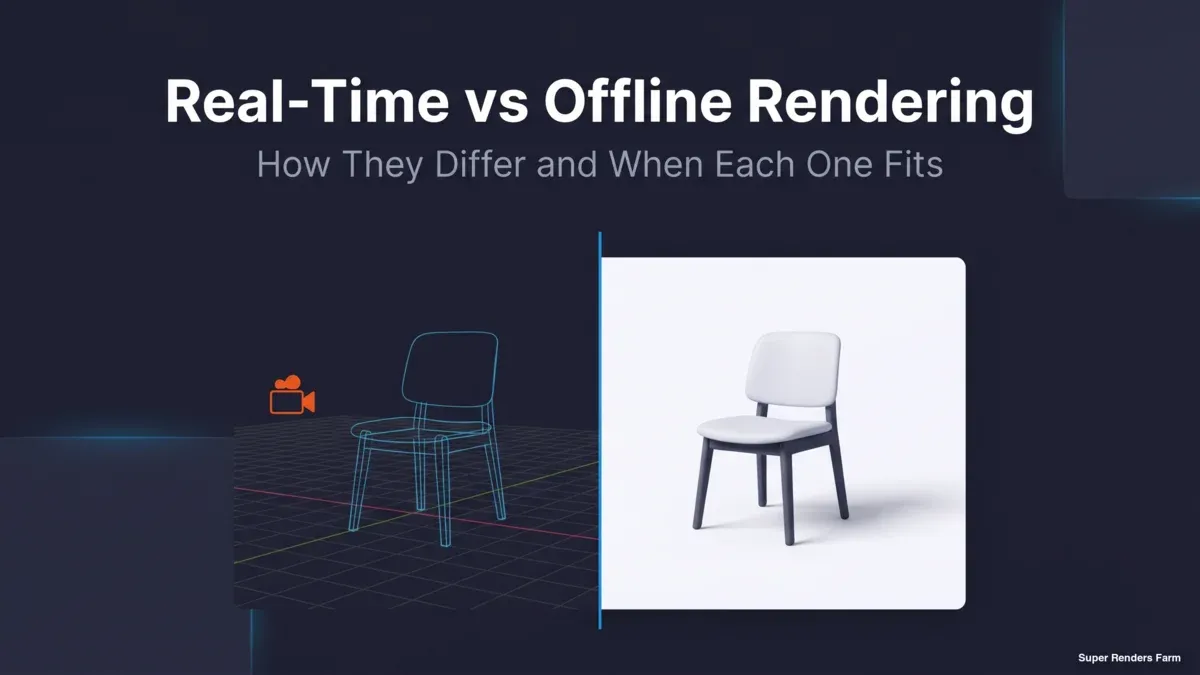
Real-Time vs Offline Rendering: How They Differ and When Each One Fits
Real-time engines draw a frame in milliseconds; offline renderers spend minutes or hours on it. Here is how the two differ, what hybrid paths exist, and when each one fits.
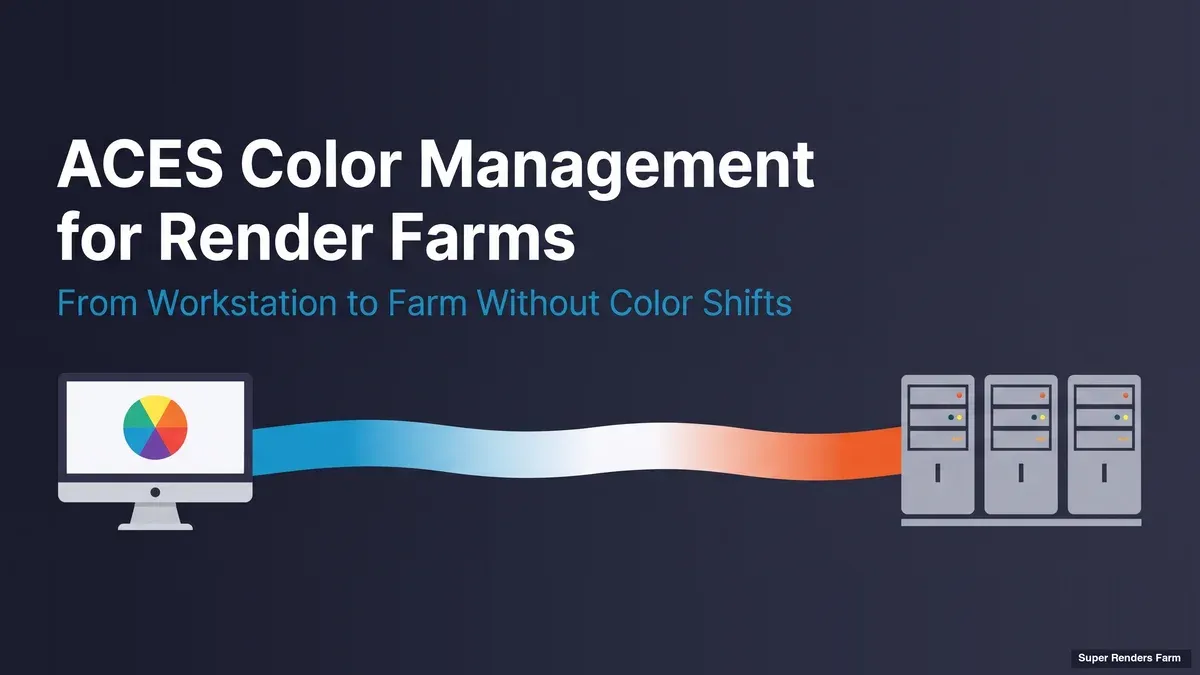
ACES Color Management Explained: Keeping Color Consistent from Workstation to Render Farm
ACES gives every image in a pipeline one shared color reference. Here is how ACEScg, ACES 2.0 and OpenColorIO work, and what to check before a scene renders on other machines.