Cloud Rendering cho Product Visualization và VFX: Render Engine, Hardware, và Lựa Chọn Farm
Tổng quan
Giới thiệu
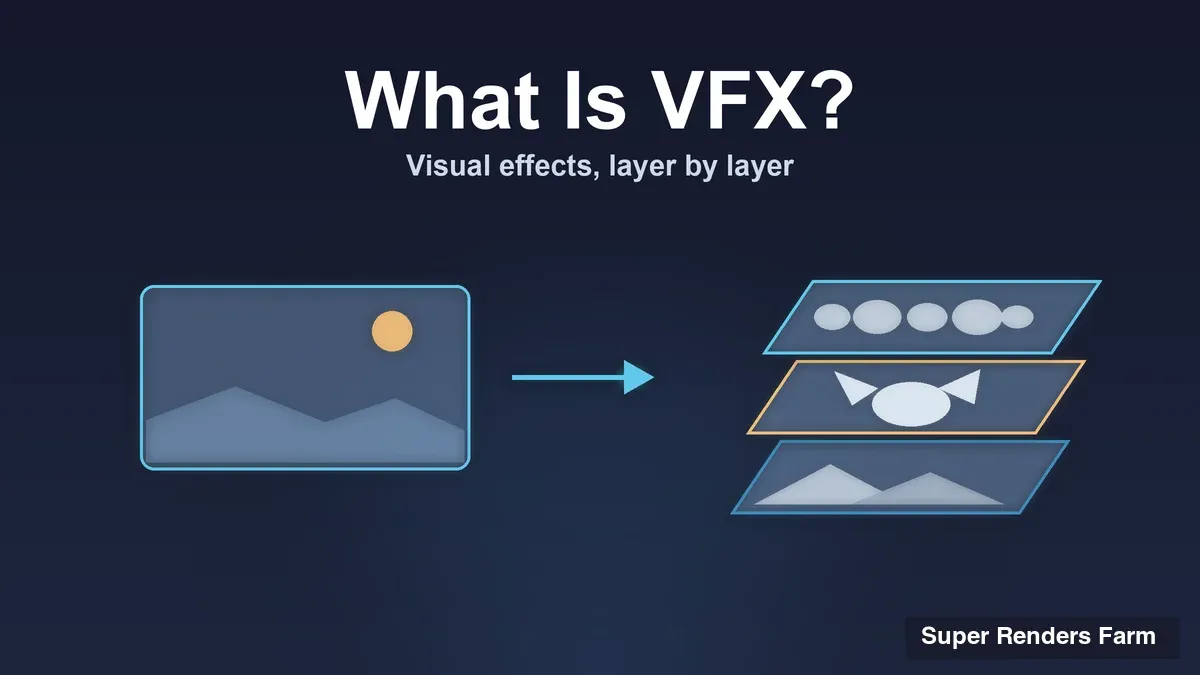
Product visualization và VFX là hai lĩnh vực trông khác nhau trên bề ngoài nhưng lại chia sẻ cùng một điểm nghẽn rendering: các cảnh quá nặng, quá nhiều hoặc quá gấp về deadline để xử lý trên hardware cục bộ. Studio product viz rendering 50 biến thể vật liệu của một chai mỹ phẩm cho catalog e-commerce có tiêu chí sáng tạo hoàn toàn khác với VFX house composite CG elements vào footage live-action — nhưng cả hai đều kết thúc bằng việc nhìn vào thanh tiến độ render và tự hỏi liệu có cách nào nhanh hơn không.
Chúng tôi xử lý cả hai loại công việc trên render farm thường xuyên. Product visualization jobs thường là batch stills độ phân giải cao với materials phức tạp — caustics, subsurface scattering, multi-layer coatings — còn VFX jobs thường là animation sequences với heavy compositing elements, particle simulations, hoặc volumetric effects. Render engines khác, scene structures khác, nhưng yêu cầu infrastructure lại trùng nhau hơn bạn tưởng.
Hướng dẫn này bao gồm cách cloud rendering áp dụng cho cả hai lĩnh vực, render engines và hardware configurations nào quan trọng, và những gì cần đánh giá khi chọn farm cho product viz hoặc VFX work.
Product Visualization: Tại Sao Nó Khó Rendering
Product visualization có profile rendering riêng khác với architectural visualization hay animation. Hiểu những đặc điểm này giúp giải thích tại sao cloud rendering đặc biệt quan trọng cho lĩnh vực này.
Độ phức tạp vật liệu hơn độ phức tạp hình học. Một hero shot của chiếc đồng hồ sang trọng không có hàng triệu polygons như archviz interior. Thay vào đó, tải rendering đến từ materials: multi-layer car paint với clearcoat và metallic flake, translucent plastic với subsurface scattering, brushed aluminum với anisotropic reflections, glass với caustics. Những tính toán material này đắt tiền mỗi pixel, đặc biệt ở production resolution (4K-8K cho print work, 2K-4K cho digital).
Cao sample counts cho output không noise. Product shots yêu cầu output sạch hơn hầu hết 3D work khác vì chúng thường được đặt cạnh real photography. Bất kỳ visible noise, fireflies, hay sampling artifacts nào đều không thể chấp nhận. Điều này có nghĩa render settings cao hơn — more samples per pixel, more light bounces, more time per frame.
Variant rendering ở quy mô lớn. Một sản phẩm thường cần rendering trong 15-30 color hoặc material variants cho catalog hoặc configurator. Mỗi variant là một render riêng, và tổng thể tích tích lũy nhanh chóng. Một footwear brand rendering 20 shoe models × 8 colorways × 3 camera angles = 480 frames. Ngay cả khi mỗi frame mất chỉ 10 phút locally, đó là 80 giờ rendering — hai tuần làm việc toàn thời gian trên một máy.
Turntable animations và interactive content. Product animation đang phát triển: 360-degree turntables cho e-commerce, exploded-view sequences cho technical documentation, lifestyle animations cho social media. Các loại này thường là 90-360 frames per sequence, và clients kỳ vọng fast turnaround.
VFX: Nơi Cloud Rendering Phát Huy Tác Dụng
VFX rendering có một bộ constraints khác. Studios làm việc trên film, broadcast, hoặc commercial VFX cần cloud rendering vì những lý do overlap với — nhưng không giống hệt — product viz.
Frame count và deadline pressure. Một 30-second VFX shot ở 24fps là 720 frames. Một 2-minute commercial là 2.880 frames. VFX timelines nổi tiếng bị nén — final shot approval thường đến vài ngày trước delivery. Cloud rendering cung cấp burst capacity mà local hardware không thể đáp ứng.
Simulation-heavy scenes. Fluid simulations (Phoenix FD, Houdini FLIP), particle effects (tyFlow, Thinking Particles), và volumetric rendering (OpenVDB clouds, explosions) tạo massive per-frame data sets. Các scenes này được hưởng lợi từ distributed rendering trên nhiều nodes vì I/O và computation mỗi frame đều cao.
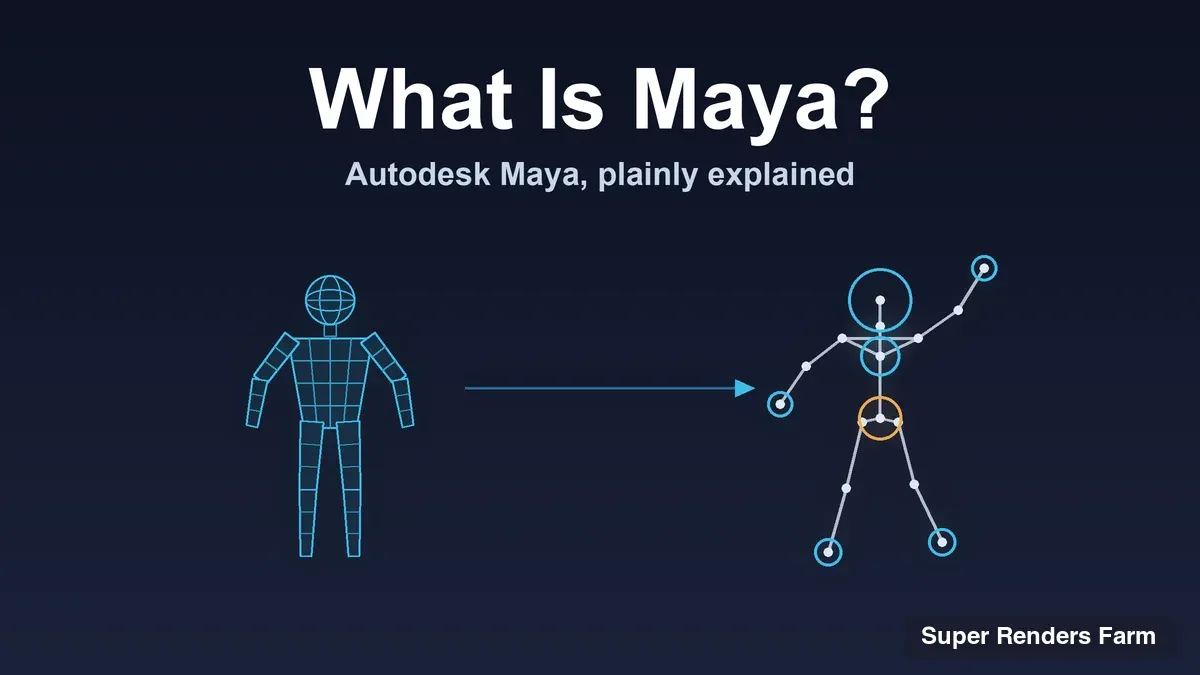
Multi-application pipelines. VFX work thường liên quan nhiều applications: modeling trong Maya hoặc 3ds Max, simulation trong Houdini, compositing trong Nuke hoặc After Effects. Bước rendering có thể sử dụng V-Ray, Arnold, Redshift, hoặc Mantra tùy thuộc vào pipeline stage. Một cloud farm hỗ trợ multiple host applications và render engines thì hữu ích hơn farm bị lock vào một combination duy nhất.
Resolution và AOV requirements. VFX renders thường output ở 2K-4K resolution với 10+ render passes (AOVs) — beauty, diffuse, reflection, refraction, shadow, cryptomatte, depth, motion vectors. Mỗi AOV tăng render time và output file size. Một 720-frame shot với 12 AOVs ở 4K sinh ra substantial data.
Render Engines cho Product Viz và VFX: Những Gì Cần Biết
Lựa chọn render engine quyết định cả hardware bạn cần và loại cloud farm có ý nghĩa.
V-Ray (Chaos) — Workhorse cho cả hai verticals. V-Ray chạy ở CPU mode (V-Ray) và GPU mode (V-Ray GPU). Cho product visualization, V-Ray CPU vẫn là standard vì material precision và light transport accuracy. Cho VFX, V-Ray GPU đang tăng traction cho faster iteration trên look development, trong khi final renders thường chuyển trở lại CPU vì reliability với complex scene elements. V-Ray hỗ trợ 3ds Max, Maya, Cinema 4D, Houdini, Blender, và Rhino — làm cho nó là most host-flexible option. Cloud farm với V-Ray support nên cung cấp CPU và GPU nodes. Trên CPU fleet của chúng tôi (450+ dual Xeon E5-2699 V4 machines), một product viz still típico ở 4K render trong 15-45 phút tùy thuộc vào material complexity. GPU fleet của chúng tôi (20 NVIDIA RTX 5090 nodes, 32 GB VRAM) xử lý V-Ray GPU scenes mà local sẽ mất hàng giờ. Xem trang V-Ray cloud rendering của chúng tôi cho supported versions và host applications.
Corona (Chaos) — Cực kỳ phổ biến cho product visualization, đặc biệt trong furniture, automotive, và cosmetics industries. Corona's physically based rendering và simple material system sinh ra photorealistic results với minimal setup. Một chi tiết operational quan trọng: Corona không được support trên Chaos Cloud (cloud service của chính Chaos). Corona users cần một third-party render farm. Corona chạy CPU-only, nên GPU hardware không liên quan cho Corona rendering. Corona cloud render farm của chúng tôi xử lý Corona jobs cho product studios hàng ngày.
Redshift (Maxon) — Một GPU-biased render engine đã trở thành standard cho motion design và ngày càng được dùng cho product visualization turntables và animations. Redshift nhanh nhưng cần adequate VRAM. Production product viz scenes với 8K textures và displacement có thể tiêu thụ 16-24 GB VRAM. RTX 5090 nodes của chúng tôi với 32 GB VRAM xử lý những scenes này một cách thoải mái. Là official Maxon partner, chúng tôi cung cấp native Redshift support với licensing included. Xem trang Redshift render farm của chúng tôi để biết chi tiết.
Arnold (Autodesk) — Default renderer cho Maya và commonly used trong VFX pipelines. Arnold là CPU-based (Arnold GPU tồn tại nhưng less mature để production use). Sức mạnh của nó là handling complex scenes với heavy geometry, deep displacement, và volumetric effects — tất cả common trong VFX work. Shading model của Arnold được thiết kế cho physical accuracy, làm cho nó well-suited cho CG elements cần integrate với live-action footage.
Octane (OTOY) — Một GPU renderer phổ biến với independent artists và smaller studios. Octane cần VRAM tỷ lệ với scene complexity, và unbiased approach của nó sinh ra physically accurate results. Less common trong large production studios nhưng có loyal user base trong product visualization.
GPU vs CPU: Hardware Nào Cho Workflow Nào
Đây là câu hỏi phổ biến nhất chúng tôi nhận được từ product viz và VFX studios đánh giá cloud rendering. Câu trả lời phụ thuộc vào render engine và scene type của bạn.
| Yếu Tố | CPU Rendering | GPU Rendering |
|---|---|---|
| Engines | V-Ray (CPU), Corona, Arnold | Redshift, V-Ray GPU, Octane |
| Memory limit | System RAM (96-256 GB) | VRAM (32 GB per card) |
| Scene size limit | Rất cao (RAM dồi dào) | Giới hạn bởi VRAM — heavy scenes có thể cần optimization |
| Cost per frame | Lower per-node cost, slower per frame | Higher per-node cost, faster per frame |
| Material precision | Full — tất cả features được hỗ trợ | Hầu hết features, một số edge cases khác |
| Scaling | Linear với node count | Linear với GPU count |
| Typical use | Final production stills, complex VFX, Corona jobs | Animations, turntables, iterative look-dev, motion design |
Cho product visualization stills: CPU rendering (V-Ray hoặc Corona) thường sinh ra most accurate results mà không VRAM constraints. Một 4K hero shot với caustics, SSS, và complex multi-layer materials render reliably trên CPU mà không lo VRAM limits.
Cho product animation và turntables: GPU rendering (Redshift hoặc V-Ray GPU) cung cấp faster per-frame times, điều này quan trọng khi bạn rendering 200-360 frames cho turntable. Trade-off là VRAM — nếu scene của bạn exceed available VRAM, render hoặc fail hoặc fallback tới CPU (tùy thuộc engine).
Cho VFX sequences: Nó phụ thuộc vào pipeline. Arnold và V-Ray CPU là standard cho final VFX renders vì stability của chúng với complex scenes. GPU rendering được dùng cho look-development passes và previz. Một số studios render final với Redshift trong Maya hoặc Houdini để tốc độ, chấp nhận VRAM constraints.
Để phân tích chi tiết cost per-frame trên các hardware configurations khác nhau, xem hướng dẫn render farm pricing của chúng tôi.
Những Gì Cần Tìm Trong Render Farm Cho Product Viz và VFX
Không phải cloud render farm nào cũng equally suited cho các verticals này. Đây là những gì quan trọng:
1. Multi-engine support với current versions
Product viz và VFX studios hiếm khi dùng single render engine trên tất cả projects. Farm hỗ trợ V-Ray 6.x, Corona 12, Redshift 3.6, Arnold 7.x, và Octane — trên multiple host applications — cung cấp flexibility để dùng right tool cho mỗi job mà không cần switch farms.
2. Cả CPU và GPU infrastructure
Nếu farm chỉ có CPU nodes, Redshift và V-Ray GPU projects của bạn sẽ không chạy. Nếu chỉ có GPU nodes, Corona và Arnold CPU projects không thể render. Farm với cả hai fleets cho bạn route mỗi job tới appropriate hardware.
3. VRAM capacity cho GPU rendering
Cho product viz với heavy textures, 16 GB VRAM cards (như RTX 4080) thường không đủ. Tìm kiếm 24-32 GB cards. RTX 5090 nodes của chúng tôi với 32 GB VRAM xử lý production product scenes mà smaller cards sẽ fail.
4. AOV và multi-pass support
VFX workflows phụ thuộc vào render passes. Xác minh rằng farm's pipeline bảo tồn tất cả AOVs ở output của bạn — beauty, diffuse, specular, reflection, shadow, cryptomatte, depth, và motion vectors. Một số farms render beauty pass đúng nhưng drop custom AOVs.
5. Managed vs self-service (lại một lần nữa)
Sự phân biệt này quan trọng hơn ngay cả cho VFX studios với complex plugin stacks. Một product viz studio sử dụng Forest Pack vegetation quanh outdoor product shot cần plugin đó trên mỗi render node. VFX studio sử dụng Phoenix FD cho fluid simulation hoặc tyFlow cho particle effects cần cài đặt chúng. Một fully managed farm xử lý cái này; self-service farm có nghĩa bạn install và maintain plugins trên remote machines yourself.
6. File handling cho large scenes
Product viz scenes với 8K textures và VFX scenes với simulation caches có thể là tens of gigabytes. Check: Farm có uploader tool không? Upload speed là bao nhiêu? Files được retain bao lâu sau rendering? Bạn có thể re-submit corrected frame mà không re-upload entire scene không?
Real-World Workflow: Studio Product Viz
Đây là workflow cloud rendering típico cho product visualization studio (pattern chúng tôi thấy vài lần mỗi tuần):
Một cosmetics brand cần CGI renders cho skincare line mới — 6 products × 4 angles × 3 lighting setups = 72 stills ở 5000×5000 resolution. Materials bao gồm translucent glass bottles với liquid bên trong (cần caustics và SSS), metallic caps, và matte packaging với embossed text.
Ngày 1: 3D artist tạo master scene trong 3ds Max với V-Ray, hoàn thiện materials và lighting cho một hero product. Local test renders ở 1000×1000 mất khoảng 3 phút mỗi — manageable cho iteration.
Ngày 2: Artist duplicate master scene cho 72 variants. Full-resolution 5K test của một frame locally: 35 phút. Times 72 = 42 giờ trên một workstation.
Ngày 2 tối: Upload 72 scenes tới farm. Total scene data bao gồm textures: khoảng 8 GB (textures shared trên variants qua packager).
Qua đêm: Farm distribute 72 frames trên 72 nodes. Mỗi frame render trong 30-40 phút. Total wall-clock time: ~40 phút (tất cả frames song song). Cost: khoảng $40-$70 total.
Ngày 3 sáng: Download finished frames. Ba frames cần minor material corrections. Re-submit những ba cái, nhận results trong 30 phút. Final delivery tới client vào buổi trưa.
Mà không cloud rendering, job này sẽ mất 5+ days continuous rendering trên một machine, blocking nó từ work khác.
Real-World Workflow: Studio VFX
Một VFX studio sản xuất 15-second commercial shot: một CG product (một smartphone) bay qua particle environment với volumetric fog, sau đó landing trên reflective surface. Final delivery ở 4K (3840×2160), 24fps = 360 frames. Arnold trong Maya, 8 AOVs.
Pre-production: Look development và previz làm locally sử dụng Arnold's progressive rendering và low-resolution proxies. Final render settings được xác định thông qua single-frame tests trên farm — mỗi test frame mất 25 phút trên CPU node. Điều này cho phép team dial in quality settings trước khi commit tới full sequence.
Full render submission: 360 frames submitted tới farm. Với 60 CPU nodes allocated, sequence hoàn thành trong khoảng 2.5 giờ. Cost: $180-$300 tùy thuộc per-frame complexity.
Post-render: Tất cả 8 AOV passes downloaded, composited trong Nuke. Một 30-frame section cần re-rendering sau simulation adjustment. Re-submitted, hoàn thành trong 15 phút.
Total turnaround từ final scene approval tới rendered frames: dưới 4 giờ. Trên local workstation, 360 frames cùng sẽ mất 6+ days.
Common Pitfalls
Underestimating VRAM needs cho GPU product viz. Một scene render fine locally trên 24 GB card có thể fail trên farm nếu farm's GPU nodes có ít VRAM hơn, hoặc nếu texture loading behaves khác trong distributed environment. Luôn test một frame trước khi submit batch.
Ignoring color management. Product visualization yêu cầu color accuracy. Xác minh rằng farm's output match local renders của bạn về color space (sRGB, ACEScg, ACES). Differences trong OCIO configuration giữa workstation và farm có thể cause color shifts subtle nhưng unacceptable cho product photography replacement.
Not accounting cho simulation caches trong VFX. Nếu scene của bạn references Phoenix FD, Houdini, hoặc RealFlow simulation caches, những files đó cần uploaded cùng scene. Chúng có thể enormous (50-100 GB cho complex fluid sim). Check farm's upload limit và file retention policy.
Rendering quá nhiều AOVs. Mỗi additional AOV tăng render time và output file size. VFX compositor có thể request 15 passes, nhưng practical, 8-10 cover hầu hết needs. Audit AOV list của bạn trước khi submit tới farm — xóa hai unused passes trên 360 frames tiết kiệm meaningful render time và download bandwidth.
Evaluation Checklist
| Tiêu Chí | Product Viz Priority | VFX Priority |
|---|---|---|
| V-Ray / Corona support | ★★★ | ★★☆ |
| Arnold / Redshift support | ★★☆ | ★★★ |
| GPU fleet (VRAM ≥ 24 GB) | ★★☆ | ★★☆ |
| CPU fleet (100+ nodes) | ★★★ | ★★★ |
| Forest Pack / RailClone | ★★☆ | ★☆☆ |
| Phoenix FD / tyFlow | ★☆☆ | ★★★ |
| AOV / multi-pass output | ★★☆ | ★★★ |
| Color management (ACES) | ★★★ | ★★★ |
| Managed pipeline | ★★★ | ★★★ |
| Cost estimator tool | ★★★ | ★★☆ |
FAQ
Render engine nào được dùng nhiều nhất cho product visualization?
V-Ray và Corona dominant product visualization. V-Ray được dùng trên automotive, industrial design, và luxury goods vì material precision và multi-platform support. Corona đặc biệt phổ biến trong furniture, cosmetics, và packaging visualization vì ease of use và physically based rendering. Cả hai chạy trên CPU, và V-Ray còn có GPU mode cho faster iteration.
Tôi có thể render VFX sequences với Arnold trên cloud render farm không?
Có. Arnold là CPU-based renderer widely supported trên managed cloud render farms cho Maya, 3ds Max, và Houdini. Cloud farms distribute frame range của bạn trên multiple CPU nodes, converting điều mà sẽ là days sequential rendering thành hours. Xác minh rằng farm hỗ trợ Arnold version chính xác của bạn và tất cả required AOV passes.
Tôi cần bao nhiêu VRAM cho GPU product visualization rendering?
Production product viz scenes với 8K textures, displacement maps, và complex materials thường yêu cầu 16-24 GB VRAM. Scenes với multiple high-poly products hoặc large environments có thể exceed 24 GB. Cards với 32 GB VRAM (như NVIDIA RTX 5090) cung cấp comfortable headroom cho hầu hết production scenes mà không cần scene optimization.
Corona có hoạt động trên Chaos Cloud không?
Không. Tính đến early 2026, Corona không được hỗ trợ trên Chaos Cloud (cloud rendering service của chính Chaos). Corona users phải dùng third-party render farm cho cloud rendering. Điều này áp dụng cho tất cả Corona versions trên tất cả host applications (3ds Max, Cinema 4D).
Tôi xử lý simulation caches như thế nào khi submit VFX jobs tới render farm?
Simulation caches (Phoenix FD, Houdini, RealFlow) cần uploaded cùng scene file. Dùng farm's scene packager tool, thường detect cache file references và include chúng trong upload. Cho large caches (50+ GB), check farm's upload bandwidth và file retention policy. Một số farms hỗ trợ incremental uploads cho iterative cache updates.
GPU rendering có đủ chính xác cho product visualization thay thế photography không?
GPU renderers như Redshift và V-Ray GPU sinh ra results phù hợp cho hầu hết product visualization use cases, bao gồm e-commerce và marketing materials. Tuy nhiên, cho work ngồi trực tiếp cạnh hoặc thay thế studio photography — như jewelry, automotive, và luxury packaging — nhiều studios prefer CPU rendering (V-Ray hoặc Corona) vì full material feature set và sampling precision. Gap đã hẹp significantly, nhưng edge cases trong caustics, complex SSS, và spectral rendering vẫn favor CPU.
Điển hình cost của cloud rendering cho product visualization project là bao nhiêu?
Một típico product viz project (50-100 stills ở 4K-5K resolution, V-Ray hoặc Corona) chi phí $30-$150 trên managed cloud render farm, tùy thuộc scene complexity và render settings. Animation sequences (200-400 frames cho turntables hoặc lifestyle content) chạy $80-$300. So sánh với cost dedicated local workstation cho vài days — cloud option thường là comparable hoặc cheaper khi bạn factor freed-up workstation time cho artist earning $40-$80/hour.
SEO Recommendations
- Primary keyword: cloud rendering product visualization VFX
- Secondary keywords: render farm product viz, cloud render farm VFX, GPU rendering product visualization, render farm motion design
- Internal links:
/vray-cloud-render-farm(V-Ray landing page)/corona-cloud-render-farm(Corona landing page)/redshift-cloud-render-farm(Redshift landing page)/article/render-farm-pricing-guide-2026(pricing deep-dive)/article/what-is-a-fully-managed-render-farm(managed vs self-service)/article/best-3d-rendering-software-2026(best software overview)/article/what-is-rendering-complete-guide(rendering fundamentals)/article/top-10-maya-plugins-essential-2025(Maya plugins)
- External links:
- Maxon certified partners (Maxon partner verification)
- Schema markup: FAQPage JSON-LD (auto-generated từ FAQ section)
About Thierry Marc
3D Rendering Expert with over 10 years of experience in the industry. Specialized in Maya, Arnold, and high-end technical workflows for film and advertising.