Cinema 4D vs. Maya: Confronto 2026 per Professionisti 3D
Panoramica
Il dibattito tra Cinema 4D e Maya ha plasmato la produzione 3D per due decenni. Nel 2026, entrambi gli strumenti si sono evoluti significativamente, ma le loro differenze filosofiche rimangono pronunciate come sempre. Nessuno è oggettivamente «migliore» – ma uno potrebbe essere considerevolmente migliore per il tuo specifico workflow. Abbiamo lavorato con team in motion design, VFX e sviluppo di giochi, e abbiamo imparato che la scelta spesso dipende da priorità: interfaccia amichevole per gli artisti e capacità motion graphics, oppure profondità tecnica e pipeline VFX conformi ai standard industriali.
Comprendere le filosofie fondamentali
Cinema 4D e Maya affrontano la creazione 3D da angolazioni fondamentalmente diverse. Cinema 4D è stato progettato pensando all'artista. Sin dall'inizio, Maxon si è concentrata su un'interfaccia pulita e intuitiva dove la funzionalità è raggruppata logicamente e facilmente accessibile. Gli artisti 3D esperti possono imparare Cinema 4D rapidamente perché il software rispetta il pensiero spaziale – se vuoi organizzare qualcosa, generalmente lo trovi dove logicamente te lo aspetteresti.
Maya, sviluppato da Autodesk, è emerso da una tradizione diversa. Originariamente progettato per utenti tecnici e ingegneri di pipeline, Maya ricompensa la personalizzazione profonda e la conoscenza dello scripting. La sua architettura nodale permette agli utenti avanzati di costruire rig, deformatori e configurazioni di simulazione incredibilmente sofisticati. La curva di apprendimento è più ripida, ma il massimale è più alto.
Abbiamo notato che gli artisti che passano da 2D a 3D spesso gravitano verso Cinema 4D. Gli ingegneri e i supervisori VFX tendono verso Maya. Non è una coincidenza – riflette come ogni software è stato costruito.
Workflow di modellazione e stabilità
Entrambi gli strumenti gestiscono efficacemente la modellazione poligonale e le superfici di suddivisione, ma l'esperienza differisce. L'ambiente di modellazione di Cinema 4D si sente più reattivo per il lavoro interattivo. Il viewport è responsivo, il feedback è immediato, e la modellazione hard-surface può essere molto veloce. I bevelli, smussature e strumenti di bordo di Cinema 4D si integrano fluidamente nel workflow standard.
La modellazione di Maya è più orientata proceduralmente. Puoi raggiungere gli stessi risultati, ma spesso attraverso la cronologia della costruzione e le reti di nodi. Questo significa che i tuoi passi di modellazione sono completamente tracciabili e modificabili in modo non distruttivo – potente per asset complessi che potrebbero necessitare revisioni. Tuttavia, gestire la cronologia della costruzione richiede disciplina, o le scene diventano lente.
Per la creazione della base mesh dei personaggi, molti artisti preferiscono ancora gli strumenti di simmetria di Maya e l'approccio basato su cronologia. Per il design hard-surface, motion graphics e visualizzazione architettonica, la direttezza di Cinema 4D vince. Abbiamo visto team completare asset hard-surface 30-40% più velocemente in Cinema 4D una volta a loro agio con l'interfaccia.
In termini di stabilità, entrambi sono robusti nel 2026. I rilasci Cinema 4D 2024-2025 sono stati particolarmente solidi. Maya 2024-2025 si è anche stabilizzato dopo alcuni problemi di crescita precedenti nel 2023.
Capacità di animazione e rigging
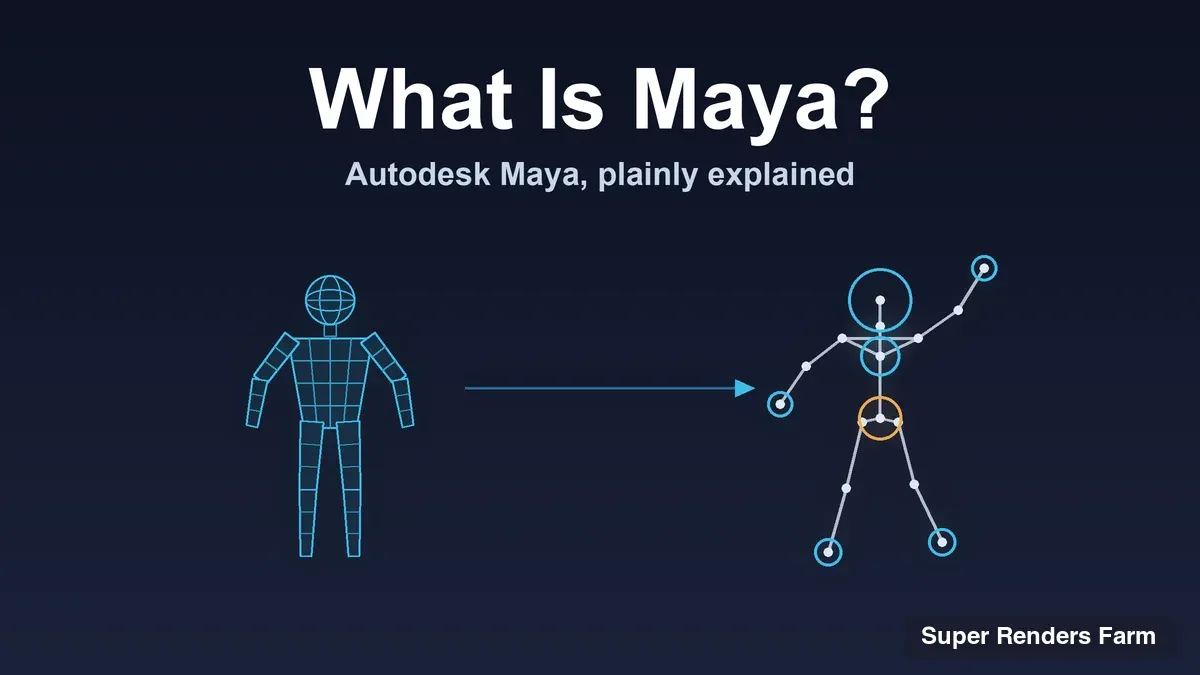
Qui è dove la profondità tecnica di Maya brilla. L'ecosistema di rigging di Maya è eccezionalmente profondo. Sistemi di vincolo avanzati, workflow di blend shape e la capacità di scrivere deformatori personalizzati in MEL e Python rendono Maya la scelta per rig di personaggi complessi in VFX e giochi. Studio come Industrial Light & Magic, Weta Digital e la maggior parte delle grandi aziende AAA standardizzano su Maya per il rigging.
Gli strumenti di animazione di Cinema 4D sono eccellenti, specialmente per motion graphics e animazione procedurale. La timeline, gli strumenti keyframe e le funzionalità motion design sono affinate. Le funzionalità Character Animation (ponderazione, deformazione) funzionano bene, ma l'ecosistema degli strumenti di rigging di terze parti è più piccolo. Tuttavia, per l'animazione dei personaggi stessa – una volta che un rig è costruito – la timeline e le curve di animazione di Cinema 4D sono spesso più facili da usare rispetto a quelle di Maya.
Per l'animazione procedurale e il motion design generativo, il sistema di movimento basato su nodi di Cinema 4D è potente. Molti studio di motion design preferiscono l'approccio di Cinema 4D per animazioni complesse e stratificate.
Simulazione e dinamica
Houdini domina la simulazione in VFX professionale, ma sia Maya che Cinema 4D hanno motori di simulazione capaci. Il solver Nucleus di Maya gestisce panni, capelli, fluidi ed effetti particellari attraverso il suo sistema di plugin unificato. La dinamica in Maya si sente come un'estensione naturale degli strumenti principali.
Il sistema MoGraph e il solver di dinamica di Cinema 4D sono strettamente integrati. Per motion graphics e simulazione orientata al design (oggetti in caduta, effetti particellari, panno per visualizzazione di prodotti), Cinema 4D è spesso più veloce da configurare e iterare. La simulazione dei capelli in Cinema 4D è solida e può ottenere risultati professionali con meno configurazione rispetto a Maya.
Per panni e capelli complessi nella produzione cinematografica, la maggior parte dei team si affida ancora al motore di simulazione superiore di Houdini o a Maya combinato con plugin dedicati come Marvelous Designer. Detto questo, abbiamo visto Cinema 4D gestire bellissimamente i panni per contenuti brevi e pubblicità.
Rendering: Redshift vs. Arnold
Questo potrebbe essere il fattore più decisivo per la tua scelta. La partnership standard di Cinema 4D è con Redshift, il renderer GPU di NVIDIA. Redshift è eccezionalmente veloce, con anteprima in tempo reale nativa nel viewport. Per motion designer e artisti che necessitano iterazione veloce, la velocità di Redshift cambia significativamente il workflow creativo. Puoi regolare materiali, illuminazione e composizione e vedere i cambiamenti in millisecondi. Redshift ha anche eccellenti capacità di rendering volumetrico e motion blur.
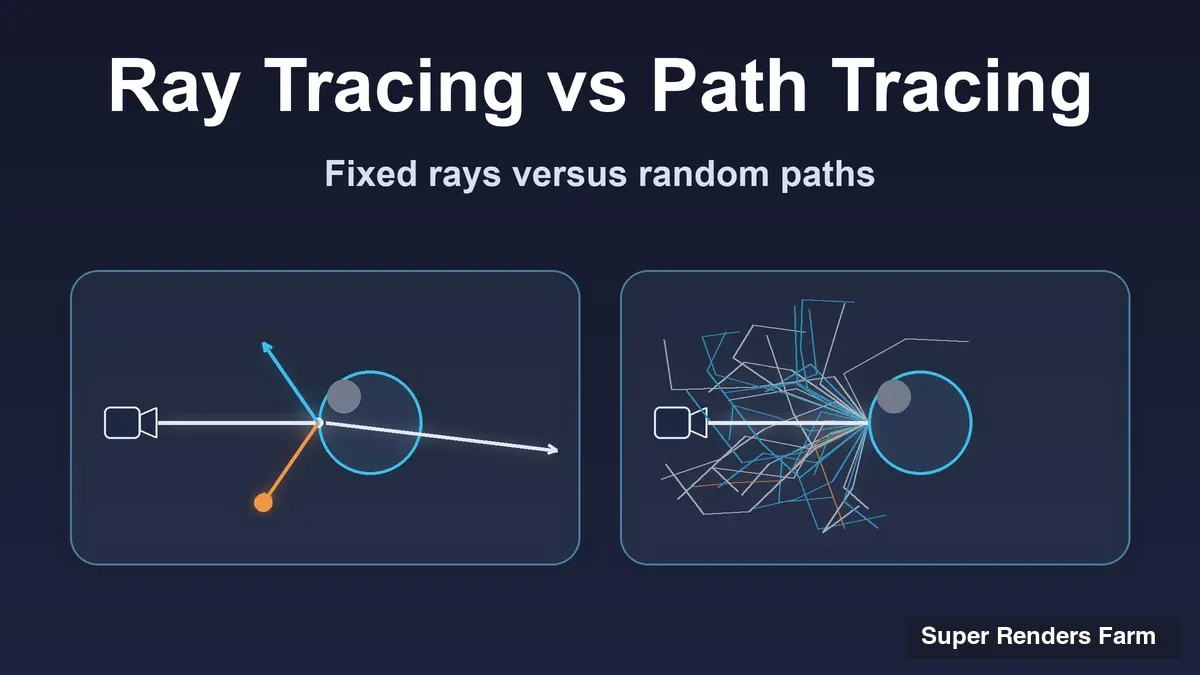
Lo standard industriale di Maya è Arnold, il path tracer di Autodesk sviluppato da Solid Angle. Arnold è incredibilmente stabile e ha provato se stesso su migliaia di produzioni VFX. La sua prevedibilità e le funzionalità avanzate (subsurface scattering, volumetrica, displacement ray-traced) lo rendono lo standard per il rendering cinematografico di alta gamma. Le farm di rendering Arnold sono onnipresenti – ogni farm importante lo supporta nativamente.
Supportiamo entrambi i renderer a Super Renders Farm, ma Arnold è più comune tra i nostri clienti VFX, mentre Redshift domina tra i studio di motion graphics. Se la tua pipeline usa esclusivamente Redshift, Cinema 4D è la scelta ovvia. Se il tuo studio standardizza su Arnold, Maya ha senso.
Entrambi gli strumenti supportano anche renderer di terze parti: V-Ray, Octane e altri. Ma le integrazioni native – Redshift con Cinema 4D, Arnold con Maya – sono il percorso di minore resistenza.
Compatibilità con farm di rendering
Cinema 4D e Maya rendono entrambi magnificamente su farm di rendering cloud. Abbiamo gestito migliaia di job Cinema 4D Redshift e Maya Arnold con problemi minimi.
L'ecosistema di Maya è più maturo sulle farm. La maggior parte delle farm di rendering ha supporto Maya di lunga data, e il rendering Arnold è standardizzato nell'industria. La configurazione di Maya per la presentazione a farm di rendering è diretta – la maggior parte delle farm fornisce plugin nativi.
Il supporto farm di Cinema 4D è migliorato tremendamente. Il rendering Redshift su farm cloud è stabile e veloce. Tuttavia, il formato file di Cinema 4D (*.c4d) a volte può richiedere più attenzione durante il trasferimento di texture e asset rispetto alla struttura file più semplice di Maya. Entrambi sono gestibili; nessuno è un ostacolo.
Prezzi e licenze
Il prezzo è un altro differenziatore significativo. Cinema 4D opera su un modello di abbonamento: circa 700 EUR/anno per un abbonamento attivo o una licenza perpetua per una singola versione principale (circa 3.500 EUR una tantum). Questo rende Cinema 4D molto accessibile per freelancer e piccoli studio.
Il prezzo di Maya è più complesso. Autodesk offre abbonamenti (680 EUR/anno per un singolo posto) e ha introdotto un piano «Indie» (235 EUR/anno con limitazioni di reddito). Tuttavia, i grandi studio in genere negoziano licenze in volume. Le licenze perpetue non sono più disponibili per i nuovi acquisti.
Per freelancer e piccoli team, Cinema 4D è spesso più conveniente. Per studio affermati con licenze Maya esistenti e pipeline, continuare con Maya ha senso finanziario. Se stai iniziando da zero, il costo di ingresso inferiore di Cinema 4D è allettante.
Adozione industriale ed ecosistema
Motion design, broadcast e pubblicità favoriscono fortemente Cinema 4D. Studio come MK12, Passion Pictures e la maggior parte delle grandi agenzie di motion design standardizzano su Cinema 4D. L'ecosistema di plugin lo riflette: X-Particles, MoGraph (nativo), Turbulence FD e innumerevoli strumenti specifici per motion design sono nativi di Cinema 4D.
VFX, animazione di personaggi e sviluppo di giochi standardizzano su Maya. Weta Digital, ILM, MPC, Double Negative e la maggior parte dei grandi studio VFX sono incentrati su Maya. L'ecosistema di plugin di rigging e simulazione dei personaggi (Advanced Skeleton, Miarmy, integrazione Fabric Engine) è maturo.
Questo è importante: se lavori come freelancer con agenzie, le competenze Cinema 4D sono più commerciabili in pubblicità e broadcast. Se aspiri a lavorare in VFX e giochi, la competenza in Maya è praticamente obbligatoria.
Ecosistemi di plugin
Il marketplace di plugin di Cinema 4D è forte per il motion design. X-Particles, Turbulence FD e MoGraph soddisfano la maggior parte delle esigenze procedurali e di design. Lo scripting Python diventa sempre più accessibile.
L'ecosistema di Maya è più tecnico e profondo. MEL e Python sono linguaggi primari, e la comunità di plugin è vasta. I plugin incentrati su rigging e animazione (Advanced Skeleton, rigBuilder) sono di qualità produttiva. I plugin di sviluppo di giochi si integrano più fluidamente con Unreal e Unity.
Integrazione USD e workflow moderni
Entrambi gli strumenti supportano USD (Universal Scene Description), lo standard emergente per lo scambio di asset. Il supporto USD di Maya è maturo e integrato. Il supporto USD di Cinema 4D è stato aggiunto nelle versioni recenti ma è ancora in sviluppo. Se la tua pipeline è incentrata su USD (sempre più comune negli studio più grandi), la maturità di Maya qui è un vantaggio.
Prendi la tua decisione
Scegli Cinema 4D se:
- Dai priorità a motion graphics, design e iterazione veloce
- Desideri feedback immediato del viewport e rendering veloce (Redshift)
- Preferisci un'interfaccia intuitiva e amichevole per gli artisti
- Lavori in pubblicità, broadcast o contenuti brevi
- Hai un budget limitato per le licenze software
- Valorizzi gli strumenti procedurali integrati (MoGraph)
Scegli Maya se:
- Hai bisogno di rigging e animazione di personaggi avanzati
- Lavori in VFX, giochi o produzione cinematografica
- Desideri strumenti e pipeline industriali standardizzati
- Richiedi personalizzazione tecnica profonda tramite MEL e Python
- Usi Arnold o V-Ray come renderer principale
- Pianifichi di lavorare con grandi studio che standardizzano su Maya
- Hai bisogno di integrazione USD matura e asset pipeline
FAQ
Posso passare tra Cinema 4D e Maya?
Sì, ma con attrito. Entrambi supportano l'export FBX e USD, che preservano la geometria e la gerarchia di base. Tuttavia, rig, deformatori personalizzati e configurazioni procedurali raramente si trasferiscono in modo pulito. Le reti di materiali differiscono significativamente. È fattibile spostare asset statici, più difficile spostare rig complessi o configurazioni procedurali. Calcola il 20-30% di tempo extra per conversione e test.
Quale renderizza più velocemente, Redshift o Arnold?
Redshift è generalmente più veloce per l'anteprima in tempo reale e l'iterazione dovuta all'accelerazione GPU. Arnold è più lento ma produce risultati prevedibili e fisicamente accurati. Per la produzione finale, la velocità è meno critica della qualità dell'immagine e dell'integrazione della farm di rendering. Entrambi sono appropriati per la produzione professionale.
Cinema 4D è usato negli studio VFX?
Di rado per il lavoro VFX principale. La maggior parte dei pipeline VFX sono incentrati su Maya. Tuttavia, alcuni studio usano Cinema 4D per compiti specifici (compositing motion graphics, visualizzazione di design). Non è standard in VFX, mentre Maya lo è.
Posso usare Cinema 4D e Maya nella stessa pipeline?
Sì, molti studio lo fanno. Gestiscono lo scambio di file tramite FBX, USD o Alembic. Cinema 4D potrebbe gestire elementi di motion graphics; Maya gestisce l'animazione di personaggi. La chiave è mantenere procedure di handoff degli asset chiare e il controllo delle versioni.
Quale ha il miglior supporto per il rendering su farm cloud?
Entrambi sono ben supportati su farm moderne. Maya con Arnold ha più supporto legacy, ma Cinema 4D con Redshift è ugualmente capace su farm più recenti. Controlla la documentazione della tua farm per i dettagli di integrazione specifici. Supportiamo entrambi equamente a Super Renders Farm.
Devo imparare entrambi gli strumenti?
Se sei all'inizio della tua carriera 3D, padroneggia uno profondamente prima di dividere l'attenzione. La maggior parte dei professionisti si specializza in uno ma mantiene competenze di base nell'altro. I motion designer tipicamente cominciano con Cinema 4D; gli artisti VFX con Maya. Imparare entrambi richiede 1-2 anni di pratica coerente.
Risorse correlate
Per un confronto più ampio del software 3D, consulta il nostro Confronto Blender vs. Maya per il 2026. Abbiamo anche pubblicato guide sull'ottimizzazione dei tempi di rendering – esplora le nostre soluzioni GPU Cloud Render Farm per i workflow Cinema 4D e Maya.
Per i team che valutano la tecnologia di rendering, la nostra Guida Arnold Cloud Rendering e Documentazione di integrazione farm Redshift forniscono istruzioni pratiche di configurazione.
Pensieri finali
Nel 2026, Cinema 4D e Maya sono entrambi strumenti maturi e capaci. La scelta «migliore» dipende interamente dai tuoi obiettivi, dalla struttura del team e dalla pipeline. Cinema 4D eccelle per motion graphics, broadcast e lavoro orientato al design. Maya domina VFX, animazione di personaggi e sviluppo di giochi.
Lavoriamo con entrambi quotidianamente a Super Renders Farm. I team che padroneggiano il loro strumento scelto, mantengono pipeline pulite e sfruttano le farm di rendering per l'output finale raggiungono risultati eccellenti. Il software è uno strumento; la tua competenza e disciplina del workflow contano di più.
Se decidi tra i due, trascorri alcune ore con progetti demo in ognuno. Lo stile di interfaccia e interazione si sentirà naturale in uno, goffo nell'altro. Quella sensazione è solitamente il segnale giusto.